

The arrival of a new baby is a monumental, life-changing event. Yet, in the whirlwind of swaddles, feeding schedules, and sleep deprivation, the person who made it all possible often gets lost in the shuffle. The “fourth trimester”—the first three months after birth—and the entire first year postpartum represent a period of intense physical, emotional, and structural transition.
Society often pushes a harmful narrative about “bouncing back” right after giving birth. The reality is that your body spent nine months stretching, shifting organs, and depleting its own nutritional reserves to build a human life. Healing cannot be rushed. For the modern mom balancing a career, managing a household, or raising older siblings, finding the time to properly heal feels almost impossible. This comprehensive guide is designed to cut through the noise, offering actionable, phase-by-phase strategies to help you reclaim your strength, health, and confidence sustainably.
Phase 1: The Initial Weeks – Healing from the Inside Out
The first six weeks postpartum should be defined by one word: rest. Whether you had a vaginal delivery or a cesarean section, your body has a major internal wound where the placenta detached, and your pelvic floor muscles have undergone immense trauma. Pushing yourself too hard, too fast, can result in prolonged bleeding, pelvic organ prolapse, and chronic pain later in life.
Breathwork and Core Re-education Before High-Intensity Workouts
Before you even think about lifting weights or running, your deep core muscles need to be gently reactivated. Pregnancy stretches the transverse abdominis and the pelvic floor, essentially turning down their communication with your brain.
-
Diaphragmatic Breathing: Lie flat on your back with your knees bent. Place one hand on your chest and one on your belly. Inhale deeply through your nose, allowing your belly and ribcage to expand fully while keeping your chest relatively still. As you exhale slowly through pursed lips, gently draw your belly button toward your spine and lift your pelvic floor slightly (like stopping the flow of urine).
-
Avoid Traditional Crunches: Standard sit-ups put excessive outward pressure on an already weakened abdominal wall, which can worsen muscle separation. Stick to basic breathwork for the first few weeks.
-
Transitioning to Gentle Strengthening: Once your doctor or midwife clears you for light activity, look into low-impact disciplines designed to rebuild stability. Finding a specialized local pilates class that accommodates postpartum women is an excellent way to safely reconnect with your core, improve pelvic alignment, and build foundational strength without straining your joints.
Relieving Alignment Issues from Pregnancy and Nursing
During pregnancy, your body releases a hormone called relaxin, which loosens your ligaments to allow the baby to pass through the pelvis. This hormone remains in your system for months after birth, especially if you are breastfeeding. Combined with the daily repetitive motions of rocking, lifting, and hunching over to feed your baby, your structural alignment can easily be thrown out of balance.
-
Fix Your Feeding Posture: Bring the baby to your breast or bottle, rather than slouching your upper body down to the baby. Use nursing pillows to support your arms and keep your shoulders relaxed.
-
Address Structural Misalignment: If you experience shooting pain in your lower back, pelvic girdle pain, or persistent neck tension from late-night nursing sessions, professional help can make a massive difference. Visiting a skilled local chiropractor who understands postpartum biomechanics can gently realign your pelvis and spine, alleviating nerve pressure and helping your body heal symmetrically.
Phase 2: Months 2 to 6 – Building Your Village and Routine

As you cross into the second and third months postpartum, the initial fog begins to lift, but a new challenge emerges: establishing a routine. For busy moms returning to work or managing a busy household, the mental load can quickly become overwhelming. True recovery requires acknowledging that you cannot do everything alone.
Evaluating Budget-Friendly Childcare Infrastructure
Self-care is not a luxury; it is a medical necessity during the postpartum period. However, many moms skip doctor appointments, therapy sessions, or basic exercise because they have no one to watch the baby. Building a reliable support system is essential for your mental and physical recovery.
-
Audit Your Time: Identify at least two windows a week where you can step away completely to focus on your physical health, even if it is just for an hour.
-
Utilize Community Resources: Look into vetted, affordable child care services in your area. Many communities offer cooperative daycare options, church-run mothers’ day-out programs, or part-time nanny sharing that can give you the dedicated time you need to heal without breaking the bank.
Choosing Enriched Environments for Independent Growth
If you have older toddlers at home while caring for a newborn, the physical and mental demands double. Finding ways to keep older children engaged in productive, independent learning can relieve a substantial amount of parental stress.
-
Encourage Independent Play: Set up safe, accessible play zones at home where toddlers can explore without constant adult intervention.
-
Invest in Structured Environments: For long-term development and lifestyle balance, placing an older child in a local Montessori program can be incredibly beneficial. These environments foster self-motivation, independence, and order, giving your child a wonderful developmental outlet while granting you the quiet, predictable time needed to tend to your infant and your own postpartum recovery.
Phase 3: Months 6 to 12 – Targeted Physical Rehabilitation
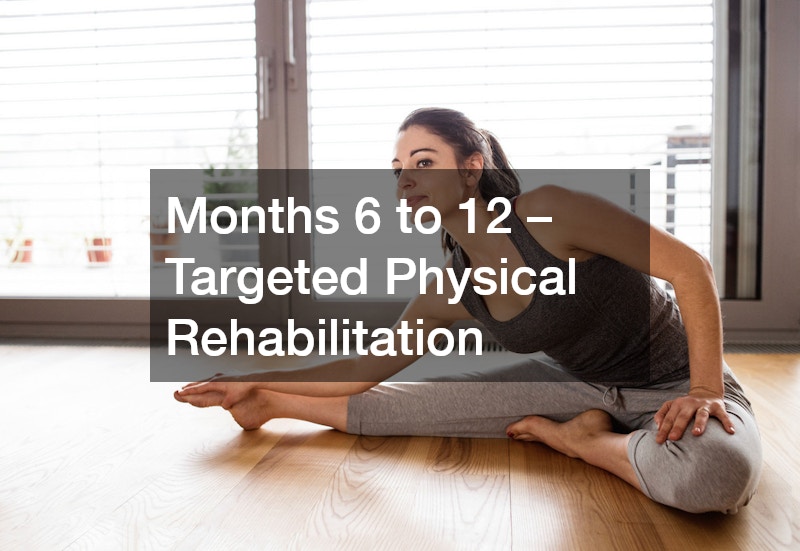
By the halfway mark of the first year, your body has done a significant amount of superficial healing, but deep structural issues may still persist. This is the phase where you transition from basic rest to targeted rehabilitation, addressing the underlying functional issues that many women mistakenly accept as a permanent part of the “mom body.”
Overcoming Diastasis Recti and Pelvic Floor Dysfunction
It is an unfortunate misconception that leaking urine when you sneeze, or dealing with a permanent lower stomach bulge is just something moms have to live with. These are clear signs of pelvic floor dysfunction and Diastasis Recti (the separation of the large abdominal muscles).
-
Perform a Self-Check: Lie on your back with knees bent, lift your head slightly, and press your fingers gently into the midline above and below your belly button. If you feel a gap wider than two fingers, or if the tissue feels soft and deep, your core wall is still compromised.
-
Seek Specialized Medical Help: Do not guess when it comes to internal core healing. Booking an appointment for local physical therapy with a professional who specializes in pelvic floor health is the fastest way to resolve these issues. They can provide specific, biofeedback-driven movements to close the abdominal gap and strengthen the pelvic floor muscles.
Scheduling Multi-Member Healthcare Appointments Efficiently
Time is the scarcest resource for a busy mom. When healthcare appointments are scattered across different weeks and locations, it is easy to cancel your own checkups to prioritize your child’s pediatric visits.
-
Consolidate Your Calendar: Try to batch your family’s medical appointments on the same day or within the same week to minimize travel and scheduling headaches.
-
Look for Comprehensive Care: When choosing medical providers, seek out practices that serve the whole family. For instance, scheduling your own checkup alongside your baby’s initial oral exams at a trusted family dental practice saves you an extra trip and ensures your own oral health—which can be compromised by pregnancy hormones—isn’t neglected.
Phase 4: Beyond Year One – Non-Invasive Rejuvenation and Stress Relief
As you pass the one-year milestone, your hormone levels begin to stabilize, and your child becomes more independent. This is an ideal time to focus on deeper stress relief and non-invasive therapies that address the lingering aesthetic and physical changes left behind by pregnancy.
Utilising Heat Therapy for Decompression and Joint Relief
Chronic stress raises cortisol levels, which actively interfere with tissue repair, sleep quality, and weight management. Finding passive ways to decompress at the end of a long day is vital for your nervous system.
-
Create an Evening Wind-Down Ritual: Disconnect from screens at least 30 minutes before bed and replace scrolling with a relaxation practice.
-
Incorporate Hydrotherapy: Taking a short soak in a hot tub at night can work wonders for a tired mom. The hydrostatic pressure reduces swelling in the lower extremities, while the heat increases blood circulation to tight muscles, easing chronic lower back pain and preparing your body for a deeper, more restorative night of sleep.
Treating Loose Skin and Collapsed Collagen Levels
Pregnancy requires the skin of the abdomen to expand dramatically over a short period. For many women, even after losing the pregnancy weight and repairing the underlying muscle, the skin can lose its elasticity, resulting in a crepey appearance or loose folds.
-
Topical and Nutritional Support: Keep your skin hydrated from the inside out with plenty of water, healthy fats, and collagen-rich foods like bone broth.
-
Explore Non-Surgical Clinical Options: If topical treatments aren’t giving you the results you want, look into modern medical aesthetic treatments. Consulting a professional about a non-invasive skin tightening service can stimulate deep collagen production and contract the tissue, helping to restore firmness to the abdominal area without the downtime of surgery.
Phase 5: Advanced Options for Restoring Confidence
True postpartum recovery involves both function and feeling. While loving and respecting your body for the incredible miracle it performed is paramount, it is entirely valid to want to restore your pre-pregnancy shape and confidence. When diet, exercise, and physical therapy hit a wall, advanced cosmetic and surgical options can provide the definitive structural support you desire.
Navigating Surgical Solutions for Extensive Muscle Separation
In some cases of severe Diastasis Recti, the connective tissue (linea alba) is stretched so thin or torn so severely that targeted exercises cannot fully pull the abdominal wall back together. This leaves the internal organs without proper structural support, leading to chronic back pain and posture issues.
-
Consult a Specialist: If you have spent months in physical therapy without improvement in your core wall integrity, a surgical consultation may be the logical next step.
-
Consider Structural Repair: For permanent structural resolution, exploring the benefits of tummy tucks can be life-changing. This procedure allows a board-certified surgeon to physically plicate (sew together) the separated abdominal muscles, reinforcing the core wall while simultaneously removing the redundant, stretched-out skin that cannot shrink back on its own.
Customizing Multi-Procedure Packages for Full Body Renewal
Pregnancy and breastfeeding alter multiple areas of the body simultaneously, often causing volume loss in the breasts, stubborn fat deposits around the hips, and laxity in the midsection. For women who are completely finished having children, a comprehensive approach can streamline the recovery and transformation process.
-
Give Yourself Time: Wait at least six months to a year after you have completely finished breastfeeding before pursuing any major surgical consultations to ensure your hormones and weight have stabilized.
-
Explore Combined Procedures: Rather than undergoing multiple separate surgeries with individual recovery periods, many busy moms opt for a comprehensive plan. Inquiring about personalized mommy makeovers allows you to combine procedures like breast lifts, liposuction, and abdominal contouring into a single operation. This approach consolidates your downtime, letting you heal all at once and return to your active family life with renewed energy and body confidence.
Postpartum recovery is a deeply personal journey that unfolds over months and years, not weeks. There is no award for rushing the process, and there is no shame in seeking support—whether that means hiring childcare, visiting a physical therapist, or exploring advanced cosmetic procedures to feel like yourself again. By prioritizing your own health, honoring your body’s timeline, and utilizing the professional resources available to you, you build a foundation of wellness that benefits your entire household. Taking care of yourself isn’t selfish; it is the absolute best way to show up for the people who love and rely on you every single day.
Ultimately, remember that the woman who went into the delivery room is just as important as the baby who came out of it. Embracing this chapter of motherhood requires a shift in perspective, moving away from societal expectations of an instant bounce-back and toward a culture of deep, intentional self-compassion. Your postpartum body tells a story of incredible strength, and honoring that story means giving yourself the permission, time, and resources to heal completely. As you move forward through the years, continue to advocate for your own well-being, celebrate the milestones of your recovery, and take pride in the resilient, confident mother you are becoming.