

Highlights:
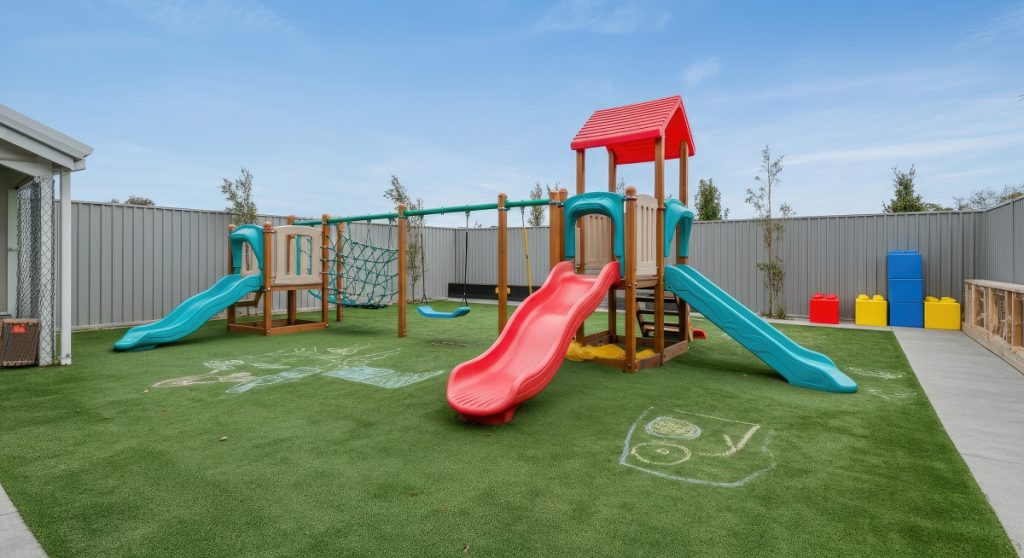
- A flexible backyard setup works best because it can change as kids grow, from simple play areas to sports or teen hangout spaces without major rebuilding.
- Simple DIY activities like obstacle courses, water play, and mini sports zones are often enough to keep kids active and entertained without expensive equipment.
- Having both active areas and quiet spaces helps balance energy, giving kids options for both movement and calm downtime.
- Shared activities like gardening, crafts, and movie nights help families spend more time together in a natural, relaxed way.
- Changing activities and setups regularly keeps the backyard interesting and prevents kids from getting bored.
- Even small and low-cost improvements can make a big difference in how often the family uses the outdoor space together.
Backyards often get overlooked as just “extra space,” but for families with kids, they can become the most valuable part of the home. When designed with intention, a simple outdoor area can turn into a place where kids play longer, parents relax more, and everyone naturally spends more time together without needing screens or scheduled outings.
The best part is that you don’t need a huge yard or a big budget. A few thoughtful setups can completely change how your family uses the space.
Below are 12 practical and creative backyard ideas for kids that naturally encourage family bonding, shared play, and more time outdoors.
1. Create a Flexible Play Zone That Grows With Your Kids
A flexible play zone is one of the smartest long-term investments you can make in a family backyard. Instead of locking yourself into a fixed playground that quickly becomes outdated, you design a space that shifts as your kids grow, change interests, and develop new skills. The goal is simple: keep the backyard useful for years without constant rebuilding.
At its core, this kind of space focuses on adaptability rather than permanence. You’re not building for a single stage of childhood—you’re building for multiple phases, from toddler play to pre-teen sports and beyond.
Start simple with a foundation that works for almost any age:
- A soft grass lawn or rubber safety flooring for safe movement
- A wide open central area for running, jumping, and group games
- Defined “activity corners” for different types of play (quiet, active, creative)
- Lightweight, portable toys like balls, cones, and ride-ons
The real value comes from how easily this setup can evolve. What starts as a crawling and ball-rolling space can gradually shift into something more structured and active.
As your children grow, the same space can transform into:
- A mini soccer field with makeshift goals
- A relay race zone with cones and markers
- A DIY obstacle course using everyday items
- A hangout space for older kids with seating and games
To make this kind of evolution practical, flexibility is everything. Small design choices make a big difference over time:
- Use movable storage bins so toys can be swapped out quickly
- Choose lightweight outdoor furniture that can be rearranged easily
- Avoid permanent installations unless they serve multiple age ranges
- Leave open “blank space” instead of filling every corner
A well-planned flexible play zone also supports family interaction. Parents can easily join in activities without rearranging the entire yard. It becomes a space where play feels natural, spontaneous, and shared rather than structured or restricted.
This approach keeps the backyard relevant through multiple childhood stages instead of becoming something kids outgrow and stop using.
2. Build a DIY Adventure Course
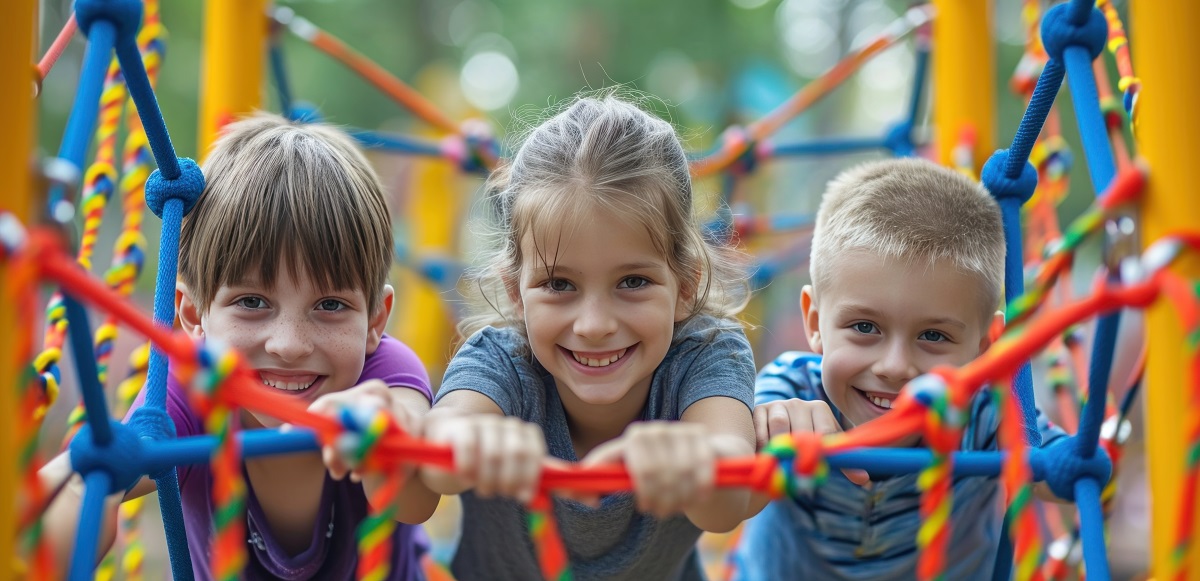
A DIY adventure course turns your backyard into an ever-changing challenge zone that keeps kids physically active and mentally engaged. Unlike static playground equipment, this setup encourages creativity, problem-solving, and constant variation.
The beauty of this idea is that it doesn’t require expensive gear. In fact, some of the best setups come from simple household or garden items that you can rearrange in minutes.
You can build a full obstacle course using everyday materials like:
- Wooden planks for balancing challenges
- Hula hoops for jumping or stepping targets
- Rope lines laid on the ground for agility paths
- Cones, buckets, or bottles for weaving patterns
- Garden chairs or stools for climbing or ducking stations
What makes this setup especially effective is how easily it can be redesigned. Kids don’t just run the course—they help create it. That alone increases engagement and excitement.
A typical backyard adventure course might include:
- A balance beam walk across a plank or line
- A hop-through sequence using hula hoops
- A zigzag sprint between cones
- A crawl-under section using chairs or low ropes
To keep things fresh, you can rotate the layout every weekend. This prevents boredom and turns the backyard into something new each time they step outside.
Parents can also join in, which is where the real value shows up. Instead of watching from the sidelines, adults become part of the game—timing runs, cheering, or even competing.
Additional ways to level it up:
- Add “timed challenges” to encourage friendly competition
- Create team-based relay versions for siblings or family groups
- Introduce themed courses (pirate run, jungle mission, space challenge)
This type of setup naturally builds coordination, stamina, and confidence while strengthening family interaction in a fun, low-pressure way.
3. Add a Nature Exploration Corner
A nature exploration corner brings a slower, more mindful energy into the backyard. While many outdoor setups focus on movement and activity, this one encourages observation, curiosity, and quiet discovery.
It works especially well for children who enjoy hands-on learning or need a break from screens and high-energy play.
You can create a simple but engaging discovery space using natural and low-cost materials:
- Small garden beds for planting and observation
- Collected natural items like stones, leaves, and sticks
- Magnifying glasses for close-up exploration
- Bug jars or small observation containers
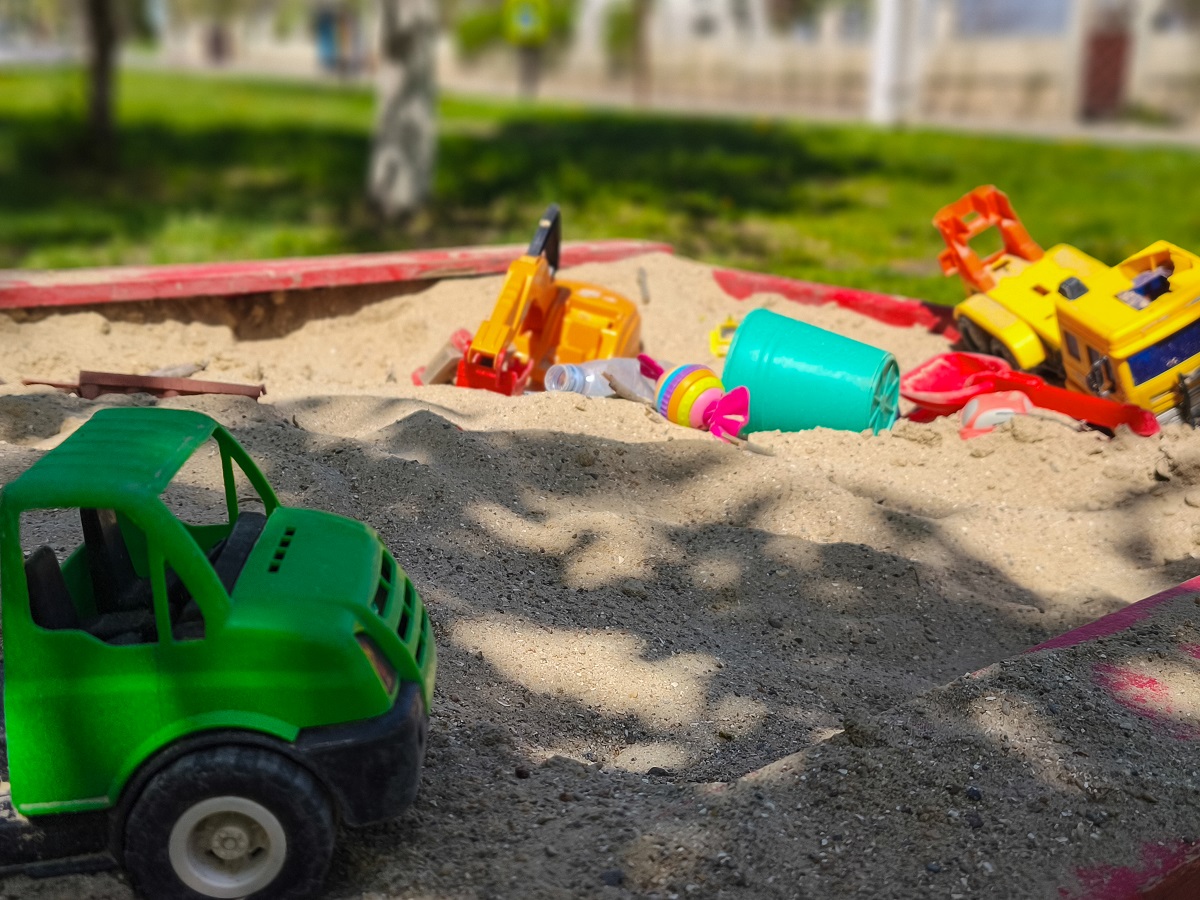
- A shallow digging area for soil or sand exploration
This space becomes more interesting when it evolves over time. Instead of being static, it grows with the seasons and the family’s curiosity.
You can introduce simple activities such as:
- Leaf identification hunts
- Bug tracking journals
- Rock sorting by size or color
- Mini ecosystem observations after rain
One of the underrated aspects of this setup is how it encourages shared learning moments. Parents often find themselves slowing down to explore alongside their kids, turning a simple corner of the yard into a space for conversation and discovery.
Over time, this corner becomes more than just a play space—it becomes a habit-building environment for curiosity and awareness.
4. Set Up a Backyard Art Station
An outdoor art station gives kids a creative outlet without the worry of indoor mess. It’s one of the easiest ways to combine freedom of expression with practical cleanup.
Unlike indoor craft areas, an outdoor setup allows for bigger, messier, and more experimental creativity.
To build an effective backyard art station, you can include:
- A small table with washable or waterproof surfaces
- Outdoor easels or mounted chalkboards
- Washable paints, brushes, and markers
- Recycled materials like cardboard, bottles, and fabric scraps
You can also add a “creative supply bin” stocked with rotating materials so kids always have something new to work with.
A well-designed setup often leads to more extended play sessions because kids feel less restricted. They can paint bigger, experiment freely, and even collaborate on group projects.
Ideas for activities:
- Sidewalk or patio mural drawing
- Nature-inspired art using leaves and flowers
- Recycled sculpture building
- Water painting on pavement for temporary art
Parents benefit too. Instead of constantly worrying about cleanup inside the house, they can relax while kids explore creativity outdoors.
The space also becomes a great shared activity zone. Families can work on seasonal decorations, birthday crafts, or simple weekend projects together, turning creativity into a bonding experience rather than an isolated task.
5. Install a Simple Water Play Area
A water play area is one of the most effective ways to turn an ordinary backyard into a high-energy fun zone. It’s especially valuable during warm weather and can entertain kids for hours without complicated setup.
The best part is that you don’t need a pool or permanent structure to make it work.
Simple, flexible options include:
- Splash pads for continuous water play
- Water tables with funnels, cups, and spouts
- DIY sprinkler systems using garden hoses
- Buckets, ladles, and containers for pouring games
What makes water play so powerful is its versatility. It can be active, calm, cooperative, or competitive depending on how it’s used.
For example:
- Younger kids may enjoy simple pouring and splashing
- Older kids might create timed water relay games
- Siblings can work together to design water obstacle paths
Parents often get involved without planning to, whether it’s setting up sprinklers or joining in splash games. It naturally becomes a shared experience.
To elevate the setup further:
- Add shaded areas for comfort
- Include non-slip surfaces for safety
- Rotate water toys to keep interest high
- Combine with other zones like sand or garden play
This type of backyard feature doesn’t just entertain—it creates spontaneous moments of family interaction that feel effortless and fun.
Why Backyard Spaces Matter More Than Ever
Modern family life is often busy, structured, and screen-heavy. That’s why having intentional outdoor spaces matters more than ever. Research and lifestyle studies consistently show the benefits of outdoor spaces for families include improved mental well-being, better physical activity levels, and stronger emotional connections between parents and children.
Backyards are not just play areas—they’re environments where everyday family life can slow down and become more meaningful. Even small changes can shift how often everyone steps outside together.
Final Thoughts
A backyard doesn’t need to be perfect or expensive to make a difference. What matters most is how it’s used. When designed with kids in mind, it naturally becomes a shared space where play, relaxation, and connection happen at the same time.
Whether you start with a small reading nook or go all-in with multiple activity zones, the goal is the same: create a place where your family actually wants to spend time together.