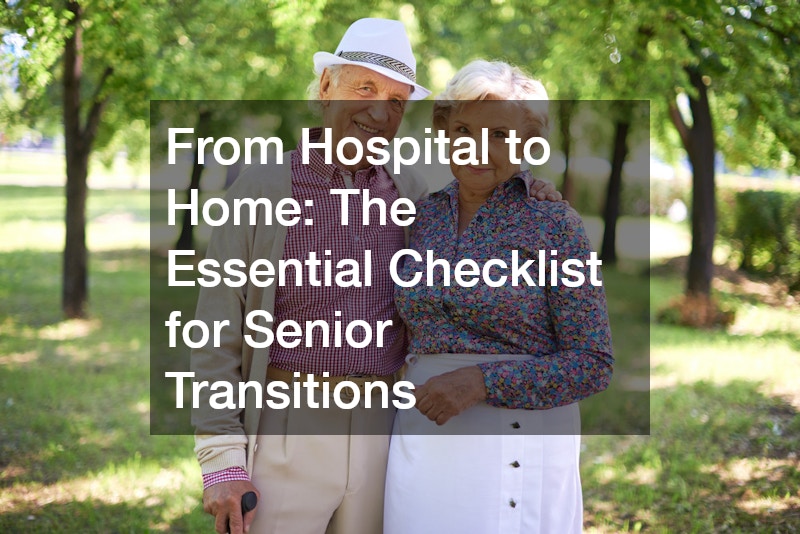


The moment a medical team clears an aging family member for hospital discharge, a wave of relief typically washes over the household. The sterile hallways, the persistent hum of diagnostic machinery, and the rigid schedule of clinical rounds are finally left behind. Yet, as the car pulls out of the hospital parking lot, that relief often transforms into a sobering realization. The home, while familiar and comforting, is not naturally equipped with the twenty-four-hour monitoring and professional staff that a hospital provides. Many families find themselves in the “sandwich generation,” balancing the needs of their own children with the increasing demands of aging parents. This transition is a delicate bridge between acute medical intervention and the long-term goal of stable, healthy living. It is a period marked by steep learning curves and significant emotional weight. Navigating this bridge requires a strategy that goes beyond just picking up a few prescriptions and clearing a path for a walker. It involves a total reimagining of the daily routine and the support structures necessary to keep a senior safe.
Assessing the New Reality of the Home Environment

The first step in any successful transition begins before the senior even crosses the threshold of their front door. Families must take an objective, almost clinical look at the living space. What was once a cozy living room might now be a maze of hazards for someone with limited mobility. High-pile carpeting, decorative throw rugs, and loose electrical cords are the most common culprits for post-hospitalization falls. Lighting also plays a massive role; many seniors suffer from diminished vision, and a dimly lit hallway can easily lead to a misstep. Installing motion-sensor lights or higher-wattage bulbs can make a world of difference in preventing a return trip to the emergency room. Furthermore, checking the height of chairs and ensuring that frequently used items in the kitchen are within easy reach can prevent unnecessary straining or overextension.
Beyond the physical floor plan, the bathroom often requires the most significant modifications. Standard tubs and toilets are frequently too low or too slippery for a person recovering from surgery or illness. Adding grab bars, a raised toilet seat, and a sturdy shower bench are essential components of a transition checklist. These aren’t just about safety; they are about dignity. When a senior can navigate their own basic needs with minimal help, their psychological recovery tends to move much faster. It is important to remember that the goal of moving from a hospital to a home is to foster independence while providing a safety net that catches them if they stumble. Creating a dedicated medication station with clear labels and a simplified schedule is another small step that prevents the confusion often caused by multiple new prescriptions following a hospital stay.
Integrating Professional Post-Hospital Therapy
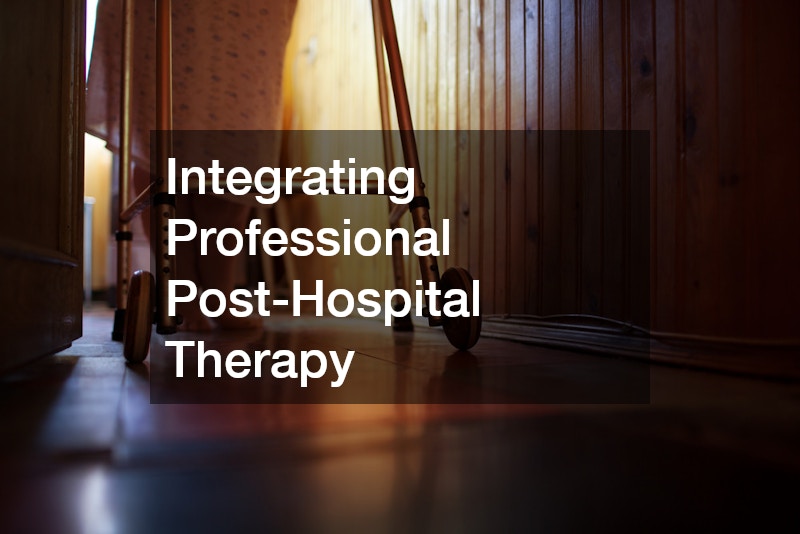
Once the physical environment is secured, the focus must shift toward the biological recovery process. Most seniors leaving the hospital are not fully “cured” but are rather “stable” enough to leave a clinical setting. This is a vital distinction. To regain the strength lost during a period of bed rest, professional intervention is often a necessity rather than an option. Many families find that enrolling their loved ones in a structured program for senior rehabilitation is the most effective way to ensure that progress continues. These programs offer a bridge of physical and occupational therapy designed to help the individual regain their balance, strength, and range of motion. Without this structured approach, many seniors face a slow decline in mobility that eventually leads to a loss of autonomy. Consistent movement and targeted exercises are the only way to reverse the muscle atrophy that begins after just a few days of hospital immobilization.
The effectiveness of these recovery programs often depends on the quality of the professionals involved. In the broader healthcare landscape, the competition for high-level medical talent is intense. For instance, the demand for specialists in orthopedic and neurological recovery is reflected in the high volume of spine jobs currently available in the medical sector. This high demand underscores how specialized these roles have become. When a family is looking for a therapist or a specialized clinic, they should look for organizations that prioritize hiring top-tier talent. Knowing that the professionals assisting with a parent’s recovery are part of a highly vetted and skilled workforce provides an extra layer of peace of mind for the family. Modern therapy techniques often involve the use of specialized equipment and data-driven progress tracking to ensure the senior is meeting specific milestones on their road to recovery.
Coordinating Daily Assistance and Personal Care
As the weeks pass, the immediate medical crisis might fade, but the need for daily support often remains. This is the stage where families must decide on the level of professional help required within the home. For many, the answer lies in professional home care services. This type of support is varied and can be tailored to the specific needs of the individual. It might involve a few hours a day of help with meal preparation and laundry, or it could involve more intensive assistance with medication management and wound care. The key is to find a balance where the senior feels supported but not smothered. Caregivers are trained to encourage self-sufficiency while standing by to help with the more taxing physical requirements of daily life.
The logistical side of this care is often managed by an elderly care service that acts as a central hub for various needs. These agencies take the guesswork out of the transition by vetting caregivers and ensuring that there is always a backup plan if a regular provider is unavailable. Having a dedicated service allows the family to step back from being “nurses” and return to being “children” or “spouses.” This shift in roles is crucial for the emotional health of the entire family unit. When the burden of scheduling and physical labor is lifted, the time spent together becomes much more meaningful and less focused on the chores of survival. A reliable agency also provides a consistent point of contact for updating care plans as the senior’s health improves or as new challenges arise over time.
Addressing the Need for Social Interaction
One of the most overlooked aspects of returning home after a hospital stay is the profound sense of isolation that can settle in. In the hospital, there is constant activity and interaction. At home, especially if the senior lives alone, the silence can be deafening. Social isolation is a known risk factor for physical decline and depression in the older population. To combat this, many families look toward companion care services as a way to keep their loved ones engaged with the world. Unlike medical care, this type of support focuses on the human connection. It involves having someone there to go for a walk, play a game of cards, or simply have a conversation over a cup of tea. These interactions help keep the mind sharp and provide an emotional anchor during the recovery process.
While emotional health is being addressed, the financial reality of long-term care cannot be ignored. The costs of various services, modifications, and professional help can add up quickly, often catching families off guard. This is why consulting with professional retirement planners is a vital part of the transition checklist. These experts can help families navigate the complexities of long-term care insurance, Medicare limitations, and personal savings. They provide a roadmap that ensures the care being provided today is sustainable for years to come. Having a solid financial plan in place prevents the stress of money from overshadowing the quality of the care being given. A well-constructed budget allows families to make decisions based on what is best for their loved one’s health rather than what is most affordable in a moment of panic.
Navigating Cognitive Challenges and Memory Health
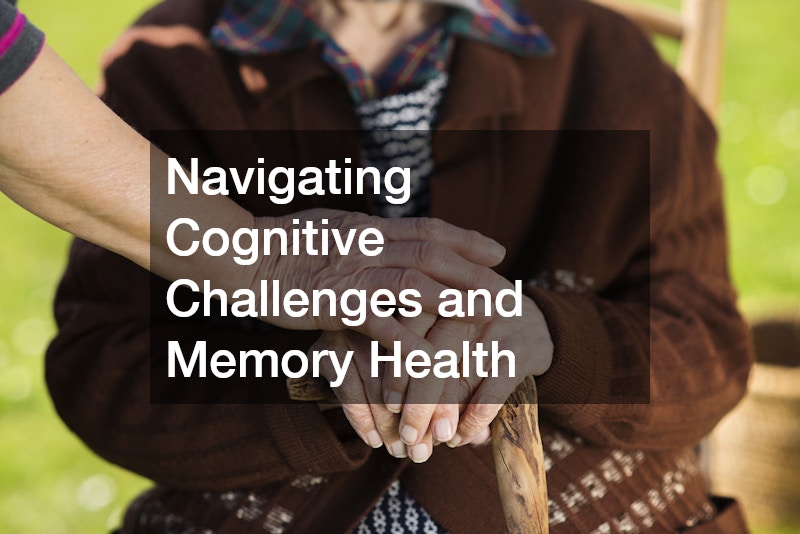
For some seniors, the transition home is complicated by cognitive issues that may have been exacerbated by the hospital stay. Hospital delirium is a common occurrence, but sometimes it masks a more permanent decline. If a loved one is struggling with memory loss or confusion, the requirements for their safety change dramatically. Implementing specific strategies for dementia care becomes the priority. This involves creating a very rigid routine, using visual cues around the home, and ensuring that all exits are secured. The goal is to create a “failure-free” environment where the senior doesn’t feel frustrated by their own cognitive limitations. Even small changes, like using contrasting colors on dinnerware or simplifying the television remote, can reduce the daily frustration that often leads to agitation.
Sometimes, despite the best efforts of the family and home-based caregivers, the home environment is no longer the safest or most supportive option. In these cases, transitioning to a local memory care facility might be the most compassionate choice. These facilities are specifically designed to cater to the needs of those with cognitive impairments, offering specialized activities and a physical layout that prevents wandering. Choosing a facility close to home allows the family to remain a constant presence in the senior’s life while ensuring they are in an environment where the staff is trained to handle the unique challenges of memory loss twenty-four hours a day. These specialized settings often provide a level of security and social engagement that is nearly impossible to replicate in a private residence, ensuring the individual stays safe and stimulated.
Looking Ahead to Long-Term Peace of Mind
The transition from hospital to home is also a natural time for families to have the difficult but necessary conversations about the future. While the focus is often on recovery and living, true peace of mind comes from knowing that all aspects of a senior’s journey have been considered. This includes discussing preferences for end-of-life arrangements. While it may feel uncomfortable to bring up, pre-planning a funeral service can be a significant gift to the family. It removes the pressure of making hurried decisions during a time of intense grief and ensures that the individual’s final wishes are respected and carried out exactly as they envisioned. These conversations often lead to a deeper understanding of a loved one’s values and what they consider most important about their legacy.
These conversations often extend to how a person wants to be remembered by future generations. Selecting a memorial gravestone or a permanent marker is a deeply personal process that allows a senior to have a say in their own legacy. It turns a morbid topic into one of reflection and honoring a life well-lived. By addressing these topics during a stable period after a hospital recovery, families can approach the situation with clarity and calmness. It completes the circle of care, ensuring that from the moment they left the hospital until their very last chapter, there was a plan, a support system, and a deep respect for their journey. Taking the time to decide on inscriptions or materials now ensures that the final tribute is a true reflection of the person’s character and accomplishments.
The Power of a Unified Transition Plan
In the end, a successful transition from hospital to home is not the result of one single action but the accumulation of many small, intentional steps. It requires a blend of medical expertise, physical safety, emotional support, and financial foresight. By using a checklist that covers everything from the height of a toilet seat to the long-term management of cognitive health, families can create an environment where their loved ones don’t just survive but actually thrive. Every family’s situation is unique, but the underlying principles of preparation and empathy remain the same.
The journey of aging is rarely a straight line. There will be setbacks, and there will be days that feel more difficult than others. However, with the right team in place—ranging from physical therapists to companion caregivers and financial advisors—the path becomes much easier to navigate. This holistic approach ensures that the senior remains at the center of the care plan, surrounded by the resources they need to enjoy their home for as long as possible. Transitioning home is about more than just leaving the hospital; it is about reclaiming the comfort and security of a life lived on one’s own terms.
To ensure this transition remains successful over the long term, families should revisit their checklist every few months. Needs change, and a plan that worked in the first week home might need adjustments by the sixth month. Staying proactive and keeping lines of communication open with medical professionals and caregivers is the final, ongoing step in the process. When a family is prepared and willing to adapt, the “home” in “hospital to home” remains a place of healing, laughter, and continued memories. Continuous evaluation of the care plan ensures that as a senior regains strength or faces new hurdles, their support system is always one step ahead.