


Moving to a new home is exciting, but it can also feel overwhelming once you start tallying up the true costs and logistics involved. Between packing, cleaning, repairs, and inspections, families often underestimate both the time and money a move requires. This guide breaks down what to budget for and what to expect at each stage, so you can plan with confidence instead of scrambling at the last minute. Whether you are moving across town or across the country, a little preparation now saves stress later.
Building a Realistic Moving Budget

Before you pack a single box, sit down and map out every expense you can anticipate, not just the obvious ones. Many families focus only on the truck rental or moving day itself, forgetting smaller costs like packing supplies, storage, and cleaning fees that add up quickly.
Break your budget into categories: transportation (truck rental or movers), packing materials (boxes, tape, bubble wrap), utility setup or transfer fees, temporary storage, and post-move cleaning or repairs at your old home. A cross-country move for a three-bedroom house can range from $2,500 to $7,000 with professional movers, while a local DIY move might run $500 to $1,500 once you factor in truck rental, gas, and supplies.
A good rule of thumb is to add a 15 to 20 percent buffer to your initial estimate to cover surprises, such as last-minute storage needs or unexpected repair costs at either property. Keep a simple spreadsheet or budgeting app updated as quotes come in, so you can compare estimates and spot creeping costs before they derail your plan.
Hiring a residential mover is often worth the investment, especially for larger households with furniture and fragile items that require careful handling. A typical local move for a three-bedroom home can run anywhere from $1,000 to $2,500, while long-distance moves often range from $3,000 to $8,000 depending on weight and mileage. Getting quotes from at least three moving services gives you a realistic sense of average pricing in your area and helps you spot any estimate that seems unusually low.
When comparing moving services, ask for a detailed written estimate that breaks down labor, mileage, insurance, and any additional fees for stairs or long carry distances. Also ask whether the quote is binding or non-binding, since non-binding estimates can shift once your belongings are weighed. Find out if packing materials, furniture disassembly, or storage-in-transit are included, or if they’ll show up as extra line items later.
This helps you avoid unexpected charges on moving day and makes it easier to compare quotes accurately. It’s also worth confirming the company’s licensing and insurance coverage, and checking recent customer reviews before signing a contract. A little extra diligence upfront can save you hundreds of dollars and a lot of stress once moving day arrives.
- Get at least three written quotes from different moving companies, ideally with an in-home or video survey for accuracy
- Ask whether packing materials, labor, and fuel surcharges are included or billed as add-ons
- Confirm insurance coverage details, including whether it’s released value (60 cents per pound) or full replacement value protection
- Factor in tips for movers, typically 10 to 15 percent of the total cost, or $20 to $50 per mover for a full day’s work
- Set aside extra funds for last-minute needs like fuel, overnight stays, or unexpected fees for stairs and long carries
- Budget for a buffer of 10 to 20 percent above your highest quote to cover surprises like delays or extra boxes
- Ask about cancellation and rescheduling policies in case moving dates shift
Decluttering Before You Pack
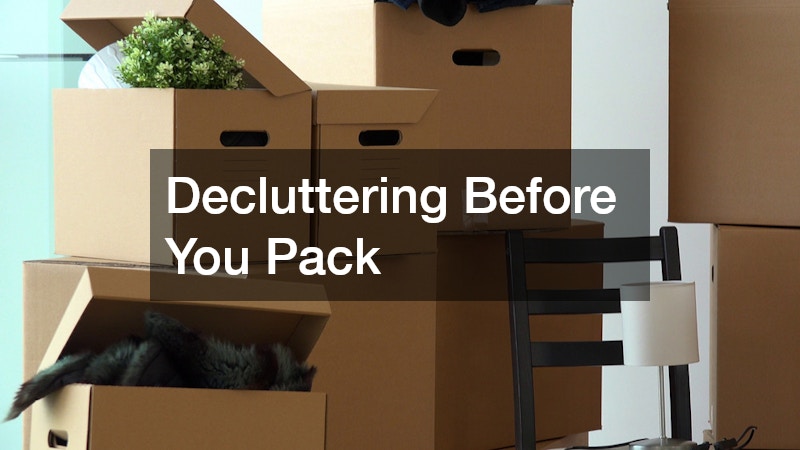
Every move is a natural opportunity to reassess what your family actually needs and use. Sorting through years of accumulated belongings before the packing process begins can significantly reduce your moving costs, since movers often charge by weight or volume, and every box you eliminate can shave dollars off your final bill.
A simple room-by-room approach works best: set up “keep,” “donate,” “sell,” and “trash” piles, and give yourself a firm deadline like one week before the movers arrive. Items you haven’t touched in over a year—old clothes, duplicate kitchen gadgets, outgrown toys—are prime candidates to let go.
Selling larger furniture online or hosting a quick garage sale can even offset some moving expenses, while donations to local charities may qualify for a tax deduction. It also makes unpacking in your new home far less stressful, since you’ll only be organizing things you actually intend to use.
Before the boxes come out, take stock of what’s actually worth moving. Decluttering isn’t just about tidiness — it directly affects your moving costs, since most movers price by weight or truck space. Sorting through closets, storage bins, and the garage a few weeks early also keeps moving day from turning into a last-minute scramble.
For larger cleanouts, such as garage clutter, old furniture, or renovation debris, renting a dumpster can be far more efficient than multiple trips to a disposal site. Dumpster rentals come in various sizes, typically ranging from 10 to 30 cubic yards, so a small residential unit (10 to 15 yards) is usually enough for a typical single-family home purge. Larger 20-30 yard units make more sense if you’re also tackling a garage overhaul or post-renovation debris alongside general moving clutter.
Costs vary by region and hauler, but expect to pay anywhere from $250 to $500 for a week-long rental, with extra fees if you exceed the weight limit or keep the unit longer than planned. Scheduling delivery a week or two before your move gives you plenty of time to sort without rushing, and it also gives you a buffer in case local permits are required for curbside placement. Don’t forget to check with your provider about restricted items like paint, tires, or electronics, since these often require separate disposal arrangements.
- Sort belongings into keep, donate, sell, and discard categories, tackling one room at a time to avoid feeling overwhelmed
- Use the “12-month rule” — if you haven’t touched an item in a year, it’s likely safe to part with
- Consider a weekend yard sale to earn extra moving cash, or list higher-value items on apps like Facebook Marketplace or OfferUp
- Donate gently used clothing, furniture, and toys to local charities, and ask for a receipt if you plan to claim a tax deduction
- Recycle electronics and hazardous materials properly rather than tossing them in the trash — many cities offer free e-waste drop-off days
- Set aside paint, batteries, and cleaning chemicals for a hazardous waste facility, since movers typically won’t transport them
- Order a dumpster sized appropriately for the volume of items you’re removing, with a 10-yard bin suiting a single room and a 20-yard bin better for a whole-house purge
- Start decluttering at least 4-6 weeks before your move to give yourself time to sell items and schedule donation pickups
Deep Cleaning the Home You Are Leaving

A thorough cleaning before you hand over the keys is not just courteous, it can also affect your security deposit or final sale terms. Many families underestimate how long a full top-to-bottom clean takes once furniture is gone and every corner is exposed. Booking professional house cleaning services in the final week can free up your time for other move-related tasks while ensuring the home looks its best for final walkthroughs.
Carpets often take the brunt of daily family life, and stains or odors can become more noticeable once rooms are empty. Hiring local carpet cleaning specialists before you leave can help restore flooring to a presentable condition, which matters whether you are selling, renting, or simply want to leave on good terms with your landlord. This step is also worth considering for your new home before you move furniture in.
- Clean appliances inside and out, including ovens and refrigerators
- Wipe down baseboards, light switches, and door frames
- Schedule carpet cleaning a day or two before final walkthrough
- Don’t forget windows, both inside and outside if accessible
Checking the Heating and Cooling System
Whether you are moving into a new home or preparing your current one for new occupants, the HVAC system deserves attention. A poorly maintained system can lead to costly breakdowns right when you need heating or cooling most. Reaching out to a qualified HVAC company for a pre-move inspection can catch small issues before they become expensive emergencies.
If you are settling into an unfamiliar house, it is wise to test the air conditioning early, especially during warmer months when you will notice problems immediately. Delayed or insufficient cooling, strange noises, or high humidity indoors are signs that ac repairs may be needed sooner rather than later. Addressing these issues within the first few weeks helps you avoid discomfort during peak summer heat.
- Ask sellers or landlords for maintenance records on the HVAC system
- Replace air filters immediately after moving in
- Test both heating and cooling modes even if the season does not call for it
- Budget for a professional tune-up within the first year of moving
Evaluating the Roof and Chimney
The roof is one of the most expensive components of any home, and issues are not always visible from the ground. Before finalizing a home purchase or shortly after moving in, it is worth having a professional take a closer look, since missing shingles, sagging areas, or water stains can indicate deeper problems. Catching these issues early often means the difference between a minor patch and extensive roof repairs down the line.
If your new home has a fireplace, scheduling chimney inspections should be high on your list, particularly if the previous owners rarely used it or maintenance records are unavailable. Creosote buildup, cracked flue liners, or blocked vents can pose serious fire and safety risks. An inspection typically takes less than an hour but provides valuable peace of mind before your family gathers around that first fire.
- Look for curling, cracked, or missing shingles from the ground
- Check attic spaces for signs of water intrusion or daylight gaps
- Have the chimney cleaned and inspected before first use in a new home
- Ask about warranty coverage if the roof was recently replaced
Verifying Electrical Safety
Older homes in particular can hide outdated wiring, overloaded panels, or non-compliant outlets that are not immediately obvious during a walkthrough. Bringing in residential electricians to assess the property before or shortly after moving in can prevent safety hazards and costly surprises later. This is especially important if you plan renovations, since older systems may not support modern appliances or added circuits.
Simple signs like flickering lights, warm outlets, or frequently tripped breakers should never be ignored, even if the home passed a general inspection. Addressing electrical concerns early protects both your family and your investment in the new home. It is far easier and cheaper to fix these issues before you have fully unpacked and settled in.
- Test all outlets and switches within the first week of moving in
- Check the electrical panel for labeling and visible corrosion
- Ask about the age of the wiring, especially in homes built before 1980
- Consider surge protection for expensive electronics
Planning Your Moving Day Timeline

A smooth moving day depends heavily on how well you plan the hours leading up to it. Start by confirming your movers’ arrival window 24 to 48 hours in advance, and ask whether they charge by the hour or by the job, since this affects how tightly you need to schedule other tasks around them.
Confirm parking arrangements for the moving truck, especially if you live on a busy street or in a neighborhood with permit-only parking. If you live in an apartment or condo, check building rules on elevator reservations, loading dock hours, and certificate of insurance requirements, since many buildings won’t allow movers in without one on file.
Build a simple hour-by-hour schedule for the day: final walkthrough, loading, drive time, and unloading, with buffer time of at least 30 to 60 minutes between each stage in case of delays. Share this timeline with everyone involved, including kids, so they know what to expect and when.
Having a clear schedule reduces confusion and keeps everyone calmer throughout the process. It also gives you a backup plan if something runs late, whether that means adjusting your check-in time at the new home or arranging a short daycare window for younger children.
Pack an essentials bag with items you will need immediately, such as medications, chargers, snacks, toiletries, and a change of clothes for each family member. Plan for at least 24 to 48 hours of independence from your boxes, since unloading and unpacking rarely finish in a single afternoon. If you have young children or pets, toss in a favorite toy, blanket, or leash to ease the stress of a new environment.
Label boxes by room and priority level so unpacking feels manageable rather than chaotic. A simple color-coded sticker system, like red for “open first” and green for “no rush,” can save hours of digging through unmarked boxes. Numbering each box and keeping a master inventory list also makes it easy to confirm nothing was lost or left behind.
Keep important documents like leases, contracts, IDs, and insurance papers in a separate, easily accessible folder rather than packed away with everything else. Consider adding school records, medical histories, and copies of moving-related receipts, since these are often needed within the first few days. Keeping this folder in your car or personal bag, rather than the moving truck, ensures it stays with you throughout the entire move.
- Confirm elevator or loading dock reservations at least a week in advance, and ask your building manager about time slot limits (often 2-4 hour windows) to avoid last-minute scheduling conflicts
- Arrange for children and pets to stay with a relative, friend, or sitter during the busiest loading hours, typically the first 3-4 hours of move day when the truck and crew traffic is heaviest
- Take photos of furniture placement, cable connections, and shelving layouts before disassembly so reassembly at the new home takes minutes instead of guesswork
- Label disassembled hardware (screws, bolts, brackets) in labeled bags taped to the corresponding furniture piece to prevent lost pieces
- Keep a small toolkit handy with a screwdriver set, Allen wrenches, tape measure, and box cutter for last-minute adjustments
- Set a rough hour-by-hour schedule for loading, transit, and unloading, and build in a 30-60 minute buffer for unexpected delays like traffic or parking issues
Settling Into Your New Home
The first few weeks in a new house set the tone for how comfortable your family will feel long term. Spend your first weekend locating essential shut-off valves for water and gas, the breaker panel, and the water heater, and snap photos of each on your phone for quick reference. Track down appliance manuals (many are available as free PDFs online if the physical copies are missing) so you’re prepared for any minor issue, from a tripped breaker to a leaky dishwasher hose.
It’s also worth testing smoke detectors, checking HVAC filters, and noting the location of your main water meter in case of an emergency shutoff. Keep a small folder or digital file with these details, along with contact information for a plumber, electrician, and HVAC technician, so you’re not scrambling during an after-hours issue.
Meeting neighbors early can also help you feel more connected to the community faster. A simple introduction, a walk around the block, or joining a neighborhood app or social media group can help you learn about trusted local services, school carpools, and upcoming community events.
Create a simple maintenance checklist covering seasonal tasks so nothing slips through the cracks in the busy first year. In spring and fall, plan to clean gutters, inspect the roof for loose shingles, and test smoke and carbon monoxide detectors. Every one to three months, swap out HVAC filters, and once a year, schedule a furnace or AC tune-up to keep warranties valid and energy bills predictable.
Don’t overlook the smaller safety checks that are easy to forget amid the chaos of unpacking. Test garage door sensors, check that fire extinguishers are charged, and locate your main water shutoff valve so you’re not searching for it during an emergency. If your new home has a septic system, sump pump, or well, ask the previous owner or inspector for maintenance timelines specific to those features.
Establishing these habits early prevents small issues, like a slow leak or a clogged vent, from turning into larger, more expensive repairs costing thousands of dollars. A simple spreadsheet or phone reminder app can help track due dates without adding mental load. A little organization now pays off in comfort, safety, and savings for years to come.
- Update your address with banks, schools, employers, and subscription services—USPS mail forwarding typically takes 7-10 business days to kick in
- Locate the main water shut-off valve, electrical panel, and gas line within the first day so you’re prepared for emergencies
- Set reminders for recurring home maintenance tasks, like HVAC filter changes every 1-3 months, gutter cleaning twice a year, and smoke detector battery checks
- Introduce yourself to neighbors during the first week to gather local recommendations for trusted plumbers, sitters, and schools
- Look up trash and recycling pickup days along with nearby emergency contacts, such as the closest ER, pediatrician, and vet
Moving involves far more than boxes and a truck, but breaking the process into manageable steps makes it far less overwhelming. By budgeting realistically and addressing key home systems early, your family can settle into a new space with confidence rather than stress. Start planning a few months ahead whenever possible, and tackle each task on this list one at a time. Your future self will thank you for the preparation.