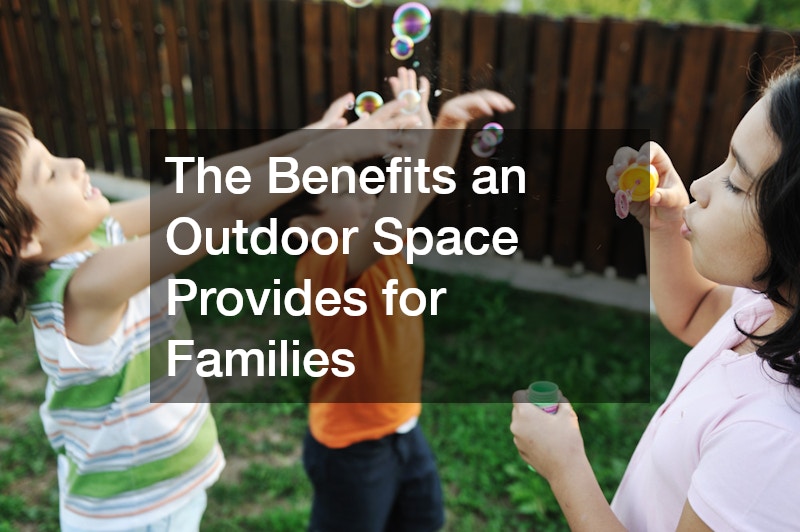


Families today are increasingly looking beyond interior layouts when thinking about comfort, connection, and long-term enjoyment at home. The areas surrounding a house can serve as extensions of daily living, offering opportunities for relaxation, recreation, and meaningful time together. When thoughtfully planned, exterior environments support physical activity, encourage social interaction, and provide a natural setting that balances busy indoor routines. Children gain room to explore, adults find places to unwind, and families as a whole benefit from spaces that promote shared experiences.
An intentional approach to planning exterior areas allows households to shape their surroundings around how they truly live. Whether used for entertaining guests, spending quiet evenings outdoors, or creating a safe place for children and pets to play, an outdoor space can evolve alongside changing family needs. These environments also contribute to overall well-being by encouraging time outside, reducing stress, and supporting healthier lifestyles. From functional upgrades to aesthetic enhancements, the choices made during planning can influence how often the area is used and how valuable it becomes over time. Understanding the many advantages these environments offer helps families make decisions that strengthen both their homes and their daily routines.
Creating Reliable Foundations for Long-Term Enjoyment
One of the most important benefits families experience from investing in exterior living areas is the ability to create a dependable foundation for long-term use. Consistency in maintenance and thoughtful infrastructure helps ensure that family members can enjoy the area comfortably throughout the year. Proper planning allows homeowners to reduce ongoing upkeep while supporting healthy plant growth, stable surfaces, and efficient water management. When systems are designed to work together, families spend less time managing problems and more time enjoying their surroundings.
Water management plays a central role in maintaining healthy lawns and gardens. Installing residential garden irrigation allows landscapes to receive consistent hydration without requiring constant manual effort. This helps prevent dry patches, supports plant health, and reduces the stress of seasonal maintenance. Families benefit from a greener, more inviting environment that remains functional even during warmer months when watering demands increase. Efficient irrigation also helps conserve water by delivering moisture directly where it is needed rather than relying on less precise methods.
A well-maintained outdoor space supports everyday activities, from casual gatherings to children playing freely in the yard. The reliability of properly installed systems encourages families to use their exterior areas more often because the environment feels comfortable and predictable. Over time, this consistency transforms the space into a natural extension of the home rather than an area used only occasionally. As families grow and routines shift, having a dependable foundation ensures that the space continues to serve new purposes without requiring major changes.
Enhancing Comfort and Privacy for Everyday Use
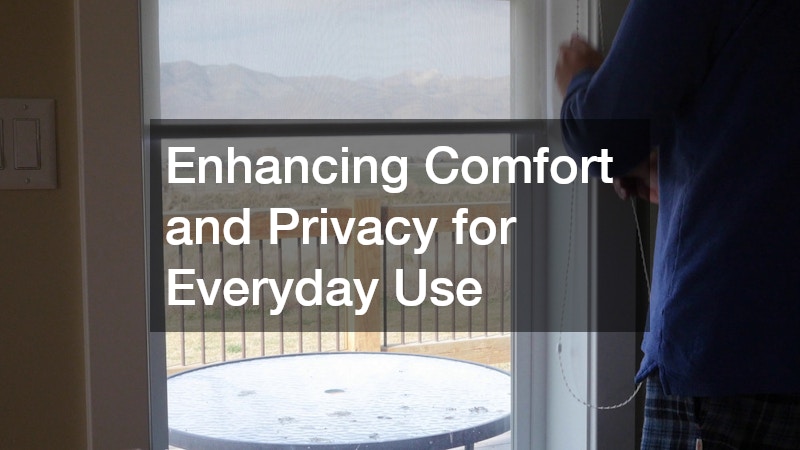
Comfort plays a major role in how frequently families use their exterior environments. Without protection from sunlight, wind, or nearby visibility, even well-designed areas can become uncomfortable during certain times of day. Thoughtful additions that address these concerns allow families to remain outdoors longer while maintaining privacy and relaxation. Creating shaded and sheltered areas encourages year-round enjoyment and makes outdoor gatherings more comfortable for guests of all ages.
One effective way to improve usability is through the installation of exterior window curtains, which help regulate sunlight and create a softer visual transition between indoor and outdoor living areas. These additions provide shade during peak sunlight hours while also allowing families to adjust privacy levels as needed. The result is a more adaptable environment that supports everything from quiet mornings outside to evening entertaining without discomfort from glare or excessive heat.
A carefully arranged outdoor space encourages families to spend more time together without feeling exposed or restricted. When privacy and comfort are addressed, the environment becomes more inviting and versatile. Parents can supervise children more easily, while adults enjoy the flexibility to relax or socialize without interruption. Over time, these improvements contribute to a sense of retreat within the home itself, reinforcing the idea that exterior areas can be just as welcoming and functional as interior living rooms or kitchens.
Supporting Safety and Structure Through Defined Boundaries
Safety and organization are essential components of family-friendly exterior environments. Clearly defined boundaries help create a sense of structure while also protecting children, pets, and property. Establishing secure perimeters allows families to feel more comfortable using their exterior areas freely, knowing that spaces are designed with both functionality and protection in mind. This sense of security often leads to increased daily use and greater confidence in allowing children to play independently.
Working with experienced fence contractors allows homeowners to design boundaries that complement both the property and the family’s lifestyle. Fencing can provide privacy from neighboring properties while also establishing safe play areas for children and pets. Beyond security, fencing contributes to visual organization by defining zones for gardening, recreation, or relaxation. This organization helps families use their exterior environments more efficiently and reduces the feeling of open, undefined space.
A thoughtfully secured outdoor space becomes easier to maintain and manage because activities can be separated into designated areas. Families may choose to create specific zones for entertaining, gardening, or play, allowing multiple activities to occur simultaneously without conflict. Over time, these defined boundaries support a sense of ownership and comfort, encouraging family members to spend more time outdoors while feeling protected within their surroundings.
Managing Elevation and Creating Functional Landscapes
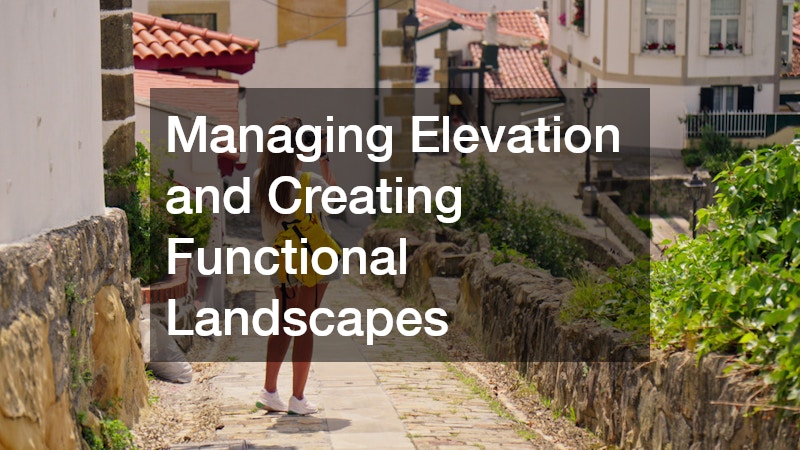
Properties with varying elevations often present challenges that can limit usability if not addressed properly. Uneven terrain may lead to erosion, water runoff issues, or areas that feel difficult to access. However, strategic solutions can transform these challenges into opportunities by creating multi-level environments that expand how families interact with their surroundings. Proper structural planning allows exterior areas to become more functional and visually appealing at the same time.
The addition of retaining walls helps stabilize soil while creating usable levels that support patios, gardens, or seating areas. These structures can transform sloped yards into organized spaces that are easier to navigate and maintain. Families benefit from safer walking surfaces and clearly defined areas that can accommodate different activities. Retaining walls also contribute to long-term durability by preventing erosion and managing water flow more effectively during heavy rainfall.
When elevation changes are managed successfully, an outdoor space gains versatility. Families can create quiet seating areas separated from play zones or designate specific sections for gardening and relaxation. These layered environments provide visual interest while improving accessibility for individuals of all ages. Over time, thoughtful structural improvements help ensure that exterior areas remain practical, safe, and enjoyable regardless of seasonal changes or evolving family needs.
Incorporating Natural Materials for Lasting Appeal
Material selection plays a significant role in how exterior environments age and perform over time. Families often benefit from choosing materials that balance durability with natural aesthetics, creating spaces that feel connected to the surrounding environment. Natural elements tend to blend seamlessly with landscaping while offering long-term resilience against weather exposure and daily use. This combination of beauty and function helps maintain the appeal of exterior areas for years to come.
Sourcing materials through reputable natural stone suppliers allows homeowners to incorporate surfaces that withstand changing weather conditions while maintaining visual character. Stone pathways, seating areas, and accent features introduce texture and permanence to exterior designs. These materials often require less frequent replacement compared to synthetic alternatives, making them a practical choice for families seeking longevity in their investments.
A thoughtfully designed outdoor space that incorporates natural materials often feels more inviting and calming. The organic appearance of stone and similar materials creates a connection to nature that enhances relaxation and encourages time spent outside. Families benefit from environments that feel timeless rather than trend-driven, ensuring that the space continues to feel relevant as design preferences evolve. Over time, these choices contribute to both aesthetic satisfaction and functional durability.
Improving Accessibility and Everyday Movement
Ease of movement is an important factor in determining how often families use their exterior environments. Pathways, driveways, and gathering areas should allow individuals of all ages to move comfortably without obstacles or uneven surfaces. When accessibility is prioritized, exterior areas become more inclusive and practical for daily routines, whether hosting guests or simply moving between indoor and outdoor living areas.
Collaborating with local paving contractors helps ensure that surfaces are installed with durability and safety in mind. Properly paved walkways and patios reduce tripping hazards while creating clear routes throughout the property. Families benefit from smoother transitions between spaces, making it easier to carry items outdoors, supervise children, or accommodate larger gatherings. Well-designed paving also supports drainage, preventing water accumulation that could otherwise limit usability.
A functional outdoor space encourages consistent use because it removes barriers that might discourage activity. When movement feels natural and safe, family members are more likely to incorporate outdoor time into their daily routines. Over time, improved accessibility supports long-term enjoyment and ensures that the area remains usable as family needs change. This practicality reinforces the value of thoughtful planning and professional installation when developing exterior environments.
Maintaining Visual Appeal and Protecting Exterior Surfaces

The visual condition of exterior structures plays a significant role in how welcoming an environment feels. Faded surfaces, peeling finishes, or weathered features can make exterior areas appear neglected even when the layout itself is well designed. Maintaining finishes not only improves appearance but also protects materials from long-term damage caused by exposure to sunlight, moisture, and temperature changes.
Engaging local painting contractors allows homeowners to preserve and refresh exterior elements such as siding, trim, pergolas, and fencing. Proper surface preparation and high-quality finishes help extend the lifespan of these structures while enhancing overall cohesion within the property. Families benefit from environments that feel clean and cared for, which naturally encourages more frequent use and enjoyment.
A well-maintained outdoor space contributes to pride of ownership and creates a welcoming atmosphere for both residents and visitors. Fresh finishes can unify different design elements, helping exterior areas feel intentional rather than pieced together over time. As families continue to use these environments for gatherings and relaxation, maintaining visual appeal ensures that the space remains inviting and functional throughout changing seasons and years of use.
Encouraging Thoughtful Planning and Cohesive Design
Successful exterior environments rarely happen by accident. Thoughtful planning helps ensure that every element serves a purpose while contributing to a cohesive overall design. Families benefit from layouts that consider traffic flow, seating arrangements, plant placement, and long-term maintenance needs. When design decisions are made strategically, exterior areas become easier to use and adapt as family routines evolve.
Working with landscape design professionals allows homeowners to align aesthetic goals with practical functionality. These specialists consider factors such as sunlight exposure, drainage patterns, and seasonal changes when developing plans. The result is an environment that feels balanced and intentional rather than overcrowded or underutilized. Families gain spaces that support both active use and quiet relaxation without sacrificing visual harmony.
A carefully planned outdoor space supports multiple activities while maintaining a unified appearance. Children can play safely while adults entertain guests or enjoy quiet moments nearby. Over time, cohesive design reduces the need for frequent adjustments because the layout continues to function effectively as needs change. This long-term perspective helps families maximize both enjoyment and value from their exterior investments.
Expanding Usability Through Weather Protection
Weather conditions often determine how frequently exterior areas are used. Excessive heat, insects, or unexpected rain can limit outdoor activities, reducing the amount of time families spend outside. Solutions that protect without fully enclosing the environment help extend usability while maintaining a connection to fresh air and natural surroundings. This balance allows families to enjoy exterior living more consistently throughout the year.
The addition of screen enclosures offers protection from insects and debris while still allowing airflow and visibility. These structures create comfortable gathering areas where families can dine, relax, or entertain without common outdoor interruptions. Screened areas also provide an added layer of safety for children and pets by creating defined spaces that remain connected to the surrounding yard.
By reducing environmental limitations, families gain greater flexibility in how and when they use their exterior areas. Covered or screened environments make it easier to plan gatherings without worrying about sudden changes in conditions. Over time, these improvements encourage more consistent use and help exterior areas feel like true extensions of indoor living spaces, supporting both relaxation and everyday functionality.
Supporting Healthy Environments Through Proper Maintenance
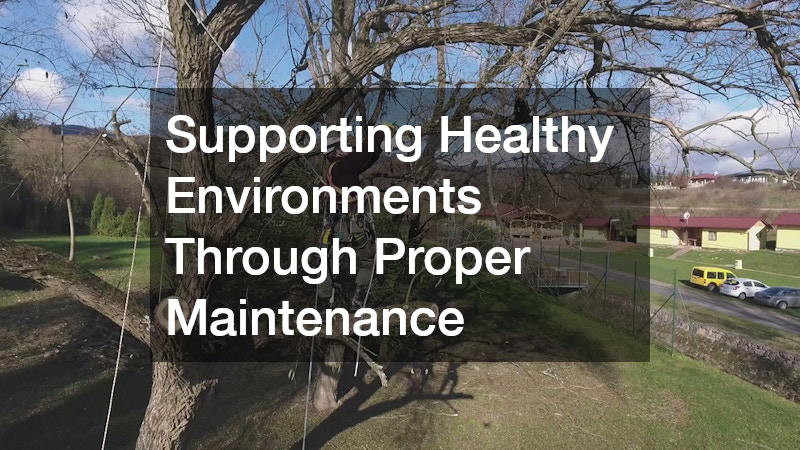
Healthy exterior environments depend on ongoing care that supports plant growth, safety, and long-term sustainability. Trees and large plantings contribute shade, beauty, and environmental benefits, but they also require proper maintenance to remain safe and visually appealing. Regular care helps prevent overgrowth, reduces potential hazards, and ensures that landscapes continue to support family activities without interruption.
Partnering with local tree services allows homeowners to maintain tree health while managing risks associated with aging or damaged branches. Professional care helps preserve shade coverage and enhances the overall balance of the landscape. Families benefit from environments that feel safe and well-maintained, allowing children and adults to enjoy outdoor activities without concern about falling debris or obstructed areas.
Consistent maintenance supports longevity by preventing small issues from becoming larger problems. Healthy trees and properly managed landscapes contribute to cooler temperatures, improved air quality, and a more pleasant atmosphere overall. When maintenance is approached proactively, exterior environments remain functional and enjoyable for years, reinforcing the long-term advantages that thoughtful planning and regular care provide to family living spaces.