
Highlights
- Regular pool maintenance helps keep water clean, safe, and enjoyable throughout the swimming season.
- Understanding cleaning schedules, chemical balance, and equipment care makes pool ownership easier for beginners.
- Preventative maintenance can help reduce algae growth, equipment issues, and unnecessary repairs.
- Pool covers, including inground pool covers, can help protect water quality and reduce debris.
- Energy-efficient equipment options can improve pool performance while helping manage ongoing running costs.
- Seasonal care practices help Australian homeowners maintain their pools throughout changing weather conditions.
How Often Should I Clean My Pool?
You should clean your pool regularly based on its size, surroundings, and how often it is used. Developing a consistent maintenance routine is one of the simplest ways to keep your backyard pool looking inviting and ready for swimming.
According to the Australian Government Department of Health, maintaining proper swimming pool hygiene is an important part of reducing health risks associated with recreational water. Keeping your pool clean and balanced supports a safer environment for family and guests.
What Cleaning Schedule Should Beginners Follow?
A simple cleaning schedule makes pool maintenance more manageable. Daily, weekly, and monthly tasks each contribute to keeping your pool water clear and your equipment working properly.
A practical routine includes:
- Daily surface cleaning: Removing leaves, insects, and other debris with a skimmer helps prevent buildup in the water.
- Weekly brushing & vacuuming: Cleaning pool walls, steps, and floors reduces the chance of algae developing in hard-to-reach areas.
- Monthly equipment checks: Inspecting filters, pumps, and other components helps identify potential issues before they become larger problems.
Following these tasks consistently reduces the amount of time needed for major cleaning sessions. A well-maintained pool also creates a more enjoyable outdoor space for swimming, relaxing, and entertaining.
What Tools Do I Need for Pool Cleaning?
You only need a few essential tools to manage basic pool care effectively. A quality skimmer net, pool brush, vacuum system, and water testing kit can help you complete regular maintenance tasks with confidence.
Many homeowners also choose automated cleaning options, such as robotic pool cleaners, to reduce the amount of manual work required. These devices can help remove debris and maintain cleaner surfaces between routine maintenance sessions.
What Chemicals Do I Need for Pool Maintenance?
You need a combination of pool chemicals to maintain clean and balanced water. Chlorine, pH adjusters, alkalinity products, and algae treatments all play important roles in keeping your pool suitable for swimming.
Chemical levels should be tested regularly because weather, rainfall, and frequent use can affect water balance. According to NSW Health, maintaining appropriate disinfectant and water quality levels is essential for safe swimming environments.
How Do I Balance Pool Chemical Levels?
You can balance pool chemicals by testing water regularly and adjusting levels according to the results. Maintaining the correct balance helps prevent problems such as cloudy water, irritation, and algae growth.
Important factors include:
- pH balance: Keeping pH levels within the recommended range helps chlorine work effectively and reduces discomfort for swimmers.
- Chlorine levels: Maintaining appropriate chlorine levels helps control bacteria and other contaminants.
- Water testing: Regular testing identifies changes before they impact water quality.
Using pool chemicals correctly is important for both safety and equipment protection. Always follow manufacturer instructions, store chemicals safely away from children and pets, and avoid mixing different products together.
How Can I Prevent Algae Growth in My Pool?
You can prevent algae growth by maintaining proper chemical levels, improving circulation, and keeping surfaces clean. Algae commonly develops when pools have poor sanitation, limited water movement, or insufficient chlorine.
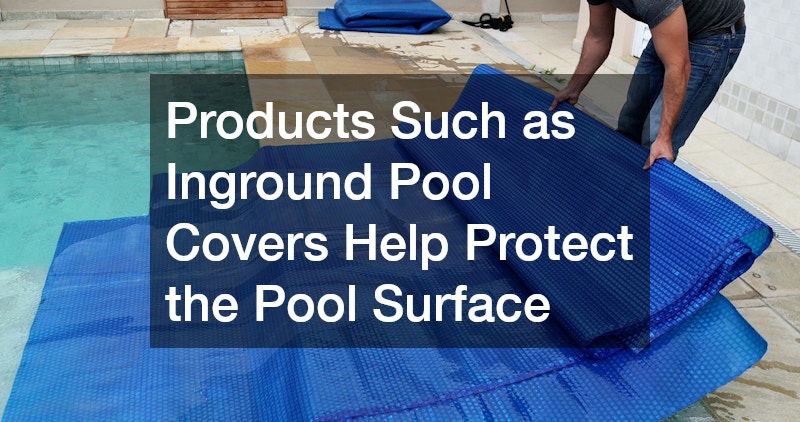
Pool covers can also assist with reducing debris entering the water. Products such as inground pool covers help protect the pool surface from leaves and other contaminants while reducing cleaning requirements.
What Energy-Efficient Pool Equipment Options Are Available?
Energy-efficient equipment can help homeowners reduce unnecessary energy consumption while maintaining pool performance. Modern pool technology provides several options for improving efficiency.
Common upgrades include:
- Variable-speed pumps: These pumps can adjust operating speeds to match pool requirements and reduce energy use.
- LED pool lighting: LED lights typically use less energy than traditional pool lighting options.
- Solar heating systems: Solar solutions can help warm pool water using renewable energy.
According to Energy.gov, using energy-efficient pool equipment and covers can help reduce energy use associated with pool operation. Choosing efficient equipment options can benefit both your household and the environment.
How Can Beginners Make Pool Care Easier?
Beginners can make pool care easier by creating a consistent maintenance routine and using the right products for their pool’s needs. Small, regular tasks often prevent larger problems and help keep outdoor spaces enjoyable.
From cleaning debris to monitoring chemical levels and maintaining equipment, every step contributes to a healthier swimming environment. Products like inground pool covers can also support easier maintenance by helping protect pool water between uses.
Owning a pool is a rewarding way to enjoy your outdoor space, but it requires ongoing care. By following these beginner-friendly maintenance tips, Australian homeowners can keep their pools clean, efficient, and ready for enjoyment throughout the year.
Sources:
Australian Government Department of Health – Recreational Water Quality and Swimming Pool Hygiene
https://www.health.gov.au/topics/environmental-health/recreational-water-quality
NSW Health – Public Swimming Pools and Spa Pools
https://www.health.nsw.gov.au/environment/factsheets/Pages/swimming-pools.aspx
U.S. Department of Energy – Swimming Pool Covers and Energy Efficiency
https://www.energy.