
A peaceful home doesn’t happen by accident. It’s built slowly, through routines, small repairs handled early, and systems that work the way they’re supposed to. When something breaks unexpectedly—a burst pipe, a dead heater in January, a tree limb crashing down during a storm—it doesn’t just disrupt your schedule. It disrupts your sense of stability.
Many families don’t realize how much background stress their home creates until something goes wrong. The constant hum of ”we should probably fix that” lingers in the back of your mind. Preventative maintenance is what quiets that noise. It turns your house from a source of unpredictable problems into a steady, reliable environment where your family can rest.
Below, you’ll find practical, realistic ways to reduce stress by caring for your home before emergencies happen.
Create a Seasonal Home Maintenance Calendar You’ll Actually Follow
Most maintenance stress comes from not knowing what needs attention and when. Without a plan, tasks pile up. With a plan, they become routine.
Start by dividing the year into four simple seasons and assigning just a few priorities to each. Resist the urge to create a 40-item spreadsheet you’ll abandon by February. Instead, focus on manageable checkpoints.
For example:
Spring
- Schedule a cooling system inspection
- Check outdoor faucets and irrigation
- Inspect windows and screens
Summer
- Test smoke detectors
- Review exterior grading and drainage
- Flush your water softener if recommended
Fall
- Schedule a heating system inspection
- Seal gaps around doors and windows
- Clear gutters
Winter
- Inspect insulation
- Check for drafts
- Test backup power sources if you have them
Working with a trusted local HVAC company once or twice a year can eliminate a major category of worry. Instead of wondering whether your system will survive the next heat wave or cold snap, you know it has been evaluated. That alone reduces low-grade anxiety.
If your home uses a water softener, add a simple reminder to check salt levels monthly and schedule professional servicing annually. Hard water buildup often causes plumbing issues that feel sudden—but they usually develop slowly over time. A two-minute check now prevents a multi-day plumbing crisis later.
The key is visibility. Put the calendar somewhere everyone can see it. Share digital reminders with your partner. When maintenance is predictable, it stops feeling overwhelming.
Prevent Heating and Cooling Breakdowns Before They Disrupt Family Life
Few things spike household stress faster than temperature problems. When the air conditioning stops during a heat wave or the heat fails on the coldest night of the year, emotions rise quickly. Kids can’t sleep. Tempers shorten. Everyone feels uncomfortable.
The solution isn’t complicated—it’s proactive attention.
Cooling systems often give warning signs before requiring major AC repair. You might notice uneven cooling between rooms, unusual noises, weak airflow, or rising utility bills. Instead of ignoring those signals, schedule service early. A small part replacement in May is far less disruptive than a system failure in July.
The same applies to heating. If your system cycles frequently, produces odd smells, or struggles to maintain temperature, those may be early indicators that furnace repair will soon be necessary. Addressing these issues before peak winter demand not only prevents breakdowns but also often reduces costs and wait times.
Temperature stability affects more than comfort. Research consistently links quality sleep to emotional regulation, focus, and overall mental health. A well-maintained system supports better rest, which supports calmer parenting and smoother mornings.
To reduce stress even further:
- Change air filters every one to three months.
- Keep vents unblocked by furniture.
- Install a programmable thermostat to avoid overworking the system.
- Set aside a small monthly maintenance fund.
You’re not just maintaining machinery. You’re protecting daily routines.
Make Outdoor Areas Safer for Everyday Play

Backyards are supposed to be places where kids run freely, and parents relax. But hidden risks—unstable trees, uneven pathways, shifting retaining walls—can create constant low-level concern.
Walk your property twice a year with fresh eyes. Look up. Look down. Look at edges and transitions.
If you see large, leaning trees or branches hanging precariously over play areas, consult a professional about whether tree removal is necessary. It’s not just about appearance. Structural instability can turn into serious damage during storms or high winds.
Ground surfaces matter just as much. Thoughtful hardscaping—stable walkways, properly installed retaining walls, slip-resistant surfaces—prevents falls and ankle injuries. If you already have stone or concrete features, check for cracks, shifting sections, or pooling water.
Ask yourself:
- Is there adequate lighting for evening play?
- Are play areas separated from driveways?
- Are there tripping hazards along common walking paths?
When you eliminate outdoor uncertainties, you remove the constant need to hover. Kids gain independence. Parents gain peace of mind.
Plan for Storm Season Before It Plans for You
Storm anxiety is real. Even if your area only experiences severe weather occasionally, the unpredictability alone can create tension.
Preparation turns fear into action.
Start with your property’s most vulnerable points. Overgrown trees close to the home should be evaluated long before storm warnings appear. Having the contact information for a reliable emergency tree service saved in your phone—before you ever need it—reduces panic in urgent moments.
Your garage door is another critical structural component. It’s often the largest opening in your home. Inspect weather stripping, test the balance, and confirm that the auto-reverse safety feature works properly. Reinforcing this entry point can prevent both storm damage and long-term security concerns.
Consider holding a brief family meeting at the start of storm season. Discuss:
- Where emergency supplies are stored
- How to respond if the power goes out
- Who is responsible for bringing pets inside
Children feel calmer when they understand the plan. Adults feel calmer when they’ve made one.
Preparedness replaces helplessness.
Keep Plumbing Problems From Escalating Into Household Chaos
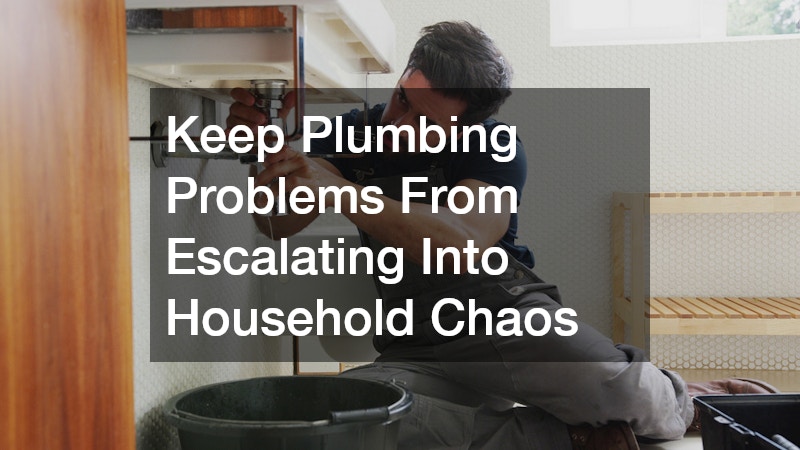
Water issues escalate quickly. A slow drain becomes a clog. A clog becomes a backup. A backup becomes damaged flooring, canceled plans, and arguments about ”why we didn’t fix this sooner.”
Preventive plumbing care is one of the simplest stress reducers in a home.
If sinks or showers drain slowly, don’t rely on repeated chemical treatments. Professional drain jetting can clear buildup thoroughly before it turns into a major blockage. Addressing this early prevents emergency calls at inconvenient times.
Mineral buildup from hard water can also strain pipes and appliances. Regular maintenance of your water softener reduces scale accumulation and extends the life of fixtures.
Beyond professional services, simple habits matter:
- Teach children never to flush wipes or paper towels.
- Install drain screens in showers.
- Avoid pouring grease down kitchen sinks.
- Run hot water after heavy sink use.
Water damage is expensive—and emotionally draining. Preventative care protects not just your plumbing but your time and energy.
Reduce Energy Bill Anxiety With Efficient Heating Systems
Financial uncertainty is one of the biggest stressors for families. Unexpected spikes in energy bills often lead to frustration and blame. Preventive maintenance can smooth out those fluctuations.
If your home uses a gas furnace, an annual inspection is essential. Technicians can check burners, heat exchangers, and safety controls to ensure efficient operation. Small inefficiencies, when left unaddressed, compound over time.
Even if your system appears functional, subtle warning signs—uneven heating, strange noises, short cycling—can indicate that furnace repair will soon be needed. Handling these early keeps repair costs manageable and prevents mid-winter emergencies.
In addition to professional service, adopt energy-conscious habits:
- Seal drafty windows and doors.
- Use ceiling fans to circulate warm air.
- Lower the thermostat slightly at night.
- Replace filters regularly.
Track monthly utility usage. When you see consistent, predictable bills, financial anxiety decreases. Stability fosters calm.
Protect Your Home’s Entry Points To Increase Family Security

Security concerns often operate in the background of our minds. A door that doesn’t close smoothly or a flickering exterior light can create subtle unease.
Start with your garage door. Test the auto-reverse mechanism monthly by placing a small object beneath it. If it doesn’t reverse immediately, schedule service. Lubricate tracks and inspect springs for wear.
Exterior grading and hardscaping also influence safety. Improper drainage can direct water toward foundations, leading to structural damage and costly repairs. Walk around your home after heavy rain and observe where water flows. Minor adjustments now can prevent major problems later.
Good lighting changes everything. Install motion-sensor lights near entry points. Trim shrubs that block visibility.
Establish simple family routines:
- Lock doors at the same time each night.
- Check that windows are secure before leaving.
- Store spare keys safely.
These habits create a sense of control. When your home feels secure, everyone relaxes.
Improve Indoor Air Quality To Support Emotional Wellness
Air quality often goes unnoticed until allergies flare or headaches become frequent. Yet the air circulating through your home directly affects mood, sleep, and concentration.
Replace air filters consistently. Mark the replacement date on the filter itself so you don’t forget. If airflow seems weak or rooms feel stuffy, consult a local HVAC company for a system evaluation.
Humidity levels also play a role. Excess moisture can lead to mold growth, while overly dry air irritates skin and respiratory passages. If your cooling system struggles during high humidity, delaying AC repair can worsen air quality and energy consumption.
You might also consider:
- Adding portable air purifiers in bedrooms
- Cleaning vents and returns annually
- Vacuuming with HEPA filters
- Keeping indoor plants that support air filtration
Better air supports better sleep. Better sleep supports better patience. And patience supports healthier family relationships.
Build a Family Maintenance Mindset Instead of Crisis Mode

Maintenance doesn’t have to rest on one person’s shoulders. Involving the entire household builds awareness and shared responsibility.
Twice a year, conduct a family walkthrough. Keep it informal. Point out areas to monitor: small cracks in walkways, trees leaning slightly, and sinks draining slowly. Explain why early action matters.
If large trees show signs of decay, discuss proactive tree removal before storms create emergencies. When drains slow down, explain how preventative drain jetting works to protect pipes.
Even young children can participate by:
- Notifying adults about unusual noises
- Helping change air filters
- Assisting with yard cleanup
When maintenance becomes a normal conversation rather than last-minute crisis management, stress levels drop. The home becomes a shared project, not a burden.
Create a Simple Emergency Fund for Home Repairs
No matter how proactive you are, some surprises are unavoidable. The difference between panic and calm often comes down to financial preparation.
Set a modest monthly amount aside exclusively for home repairs. Treat it like a utility bill—non-negotiable.
Unexpected events such as fallen trees requiring emergency tree service or sudden gas furnace failures become far less overwhelming when funds are available. Instead of scrambling to rearrange budgets or relying on credit, you respond confidently.
Involve older children in conversations about saving for home upkeep. This models financial responsibility and demystifies expenses.
Even a small cushion creates emotional breathing room. You know that if something happens, you’re ready.
A Calmer Home Begins With Prevention

Preventative home maintenance isn’t glamorous. It doesn’t provide the instant gratification of a renovation or the visible impact of new décor. But it quietly shapes your daily experience.
When systems function properly, when outdoor spaces feel safe, when bills are predictable, and emergencies are rare, your family gains something invaluable: steadiness.
Stress thrives in uncertainty. Maintenance reduces uncertainty.
Start small. Choose one system this month—heating, plumbing, or outdoor safety—and schedule a checkup. Add one reminder to your calendar. Set aside one small amount for repairs.
Preventive care also changes the emotional atmosphere of a home in subtle but powerful ways. When parents aren’t constantly reacting to emergencies, they have more mental space for connection. Evenings feel less rushed. Weekends aren’t consumed by urgent repairs. There’s room for family movie nights, spontaneous backyard games, or simply sitting together without a looming ”we need to fix that” hanging overhead. A well-maintained home creates predictability, and predictability fosters security. Children may never notice the inspections, tune-ups, or seasonal checklists—but they absolutely feel the stability those efforts provide.
Over time, these small acts build a home that supports your family instead of straining it. And that kind of peace is worth maintaining.