
This article examines critical aspects of medication management in in-home health care settings, focusing on patient safety and improved treatment outcomes. Highlighting both traditional and innovative approaches, it addresses medication management’s complexities and solutions.
In-home health care medication management extends beyond dispensing drugs to include understanding patient behaviors, monitoring drug interactions, and aligning regimens with patients’ health goals. Effective navigation of these challenges helps caregivers assist patients in achieving better health outcomes.
Efforts from caregivers, healthcare providers, and patients ensure effective, patient-centered medication management. Education and technology integration continue advancing home health care’s mission of comprehensive support.
Common Challenges in Medication Management at Home
Patient Compliance
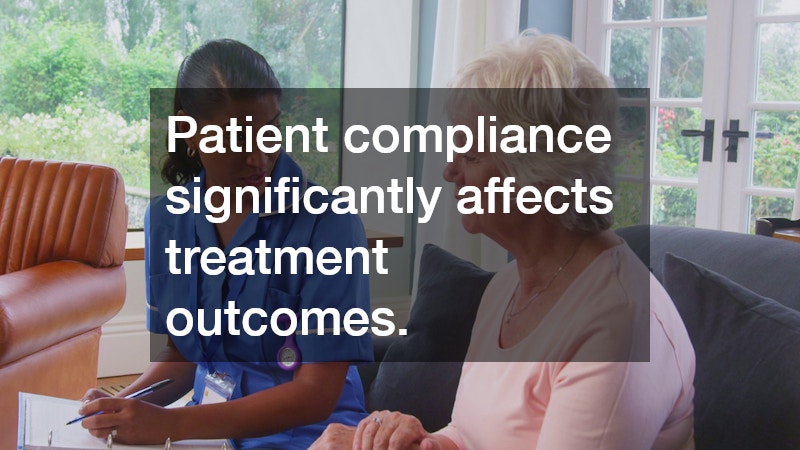
Patient compliance significantly affects treatment outcomes. Non-compliance may arise from complexity, misunderstanding, cognitive decline, or forgetfulness. Solutions include education, behavioral interventions, pill organizers, smart dispensers, and motivated communication to enhance adherence.
Managing Multi-Medication Regimens
The complexity of multi-medication regimens increases the risk of errors. Comprehensive medication management apps and regular reconciliation help prevent interactions and adverse effects. Education and clear medication labeling aid patient management of multiple drugs.
Storage and Safety
Proper medication storage and disposal are crucial for safety and efficacy. Medications should be securely stored and disposed of through community programs. Safety protocols, such as lockboxes, prevent unauthorized access and ensure household safety.
Drug Interaction and Side Effects
Preventing drug interactions and managing side effects requires vigilance and proactive measures. Regular consultation and open communication with healthcare providers are key to mitigating risks and ensuring timely interventions.
Regular Monitoring and Adjustments
Regular follow-ups and communication support effective medication management. Use of telemedicine and digital tools enhances monitoring and facilitates timely interventions, promoting better adherence and treatment outcomes.
Caregiver Support in Medication Administration
Training and Education
Training caregivers in medication administration, conflict resolution, and communication strategies enhances patient compliance and safety. Ongoing education helps caregivers adapt to changes and improve patient care.
Setting up Reminder Systems
Patient adherence improves through reminder systems, such as mobile apps and alarms. These tools facilitate patient independence and support caregivers in maintaining medication schedules.
Coordination with Healthcare Providers
Regular communication between caregivers and healthcare providers ensures seamless care continuity. Caregivers’ reports aid informed clinical decisions, enhancing treatment strategies.
Recording and Reporting Usage
Accurate medication records support patient assessment and healthcare provider communication. Digital platforms simplify documentation while maintaining confidentiality and ethical standards.
Handling Emergencies
Caregivers must be prepared for emergencies and adverse reactions. Emergency protocols and patient education ensure timely intervention, reducing risks associated with medication management.
Technologies in Medication Management
Smart Pill Dispensers
Smart dispensers automate dosing, reduce errors, and promote adherence through connected monitoring features. They empower patients and extend independence through reliable medication management.
Mobile Apps
Medication tracking apps provide reminders and enhance engagement through educational resources and communication with healthcare providers, supporting adherence and collaborative care.
Telehealth
Telehealth consultations provide continuous care access, enabling medication regimen reviews and timely interventions, benefiting those with limited mobility or rural residents.
Digital Health Records and Access
Digital records streamline medication management, allowing real-time data access and coordination across healthcare providers while ensuring confidentiality and security.
Automated Reminders
Innovative reminders deliver multi-channel alerts to improve adherence and enable caregivers to focus more on patient care. Integration with broader healthcare management apps offers complete oversight.
Customization of Medication Management
Tailoring for Chronic Conditions
Individualized plans improve chronic condition management, supporting adherence through collaboration and lifestyle integration for effective long-term medication management.
Adjustments for Age-Specific Needs
Management strategies should accommodate age-specific pharmacological responses, adapting dosages and administration techniques to ensure safe and effective treatments.
Cultural and Language Considerations
Cultural respect and language support enhance medication adherence by making communications clear and interventions sensitive to diverse patient backgrounds.
Personalizing Based on History
Considering medical history, lifestyle, and preferences in management plans optimizes treatment, fosters patient autonomy, and strengthens patient-provider collaboration.
Involving Family
Family involvement in medication plans provides support, reduces burdens, and enhances adherence through shared responsibility and education about medication management.
Legal and Ethical Considerations
Consent and Autonomy
Acknowledging and respecting patient consent and autonomy in treatment helps tailor interventions and support independent decision-making, fostering trust.
Privacy and Confidentiality
Ensuring compliance with privacy standards maintains patient confidentiality during medication management, fostering trus,t and upholding ethical practices.
Regulatory Guidelines
Adherence to regulations ensures patient safety and legal compliance, supported by continuous training and procedure alignment with regulations for effective care delivery.
Ethical Management of Controlled Substances
Handling controlled substances ethically ensures secure storage, proper documentation, and prevention of misuse, upholding trust in home healthcare services.
Balancing Cost and Quality Care
Balancing patient care quality and costs through transparency and cost-effective solutions ensures equitable access to necessary medications.
Effective medication management in home health care involves integrating technology, personalized care, and ethical practices. Collaboration among caregivers, providers, patients, and families enhances safe, efficient, and compassionate patient care.