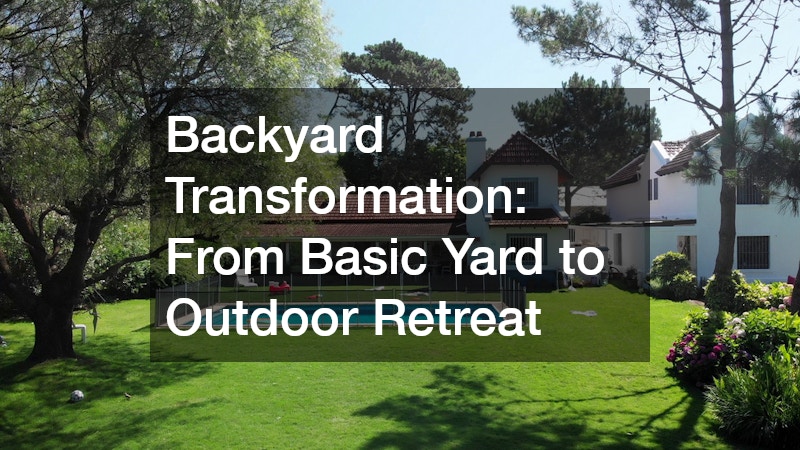


A well-planned outdoor space can completely redefine how a home feels and how it functions. What may start as an underused patch of grass can become a welcoming extension of the living area, a place for entertaining, relaxing, gardening, and spending meaningful time with family and friends. Many homeowners reach a point where they look at their yard and see potential rather than limitations, and that is where a thoughtful approach to improvement truly begins. Whether the goal is to create a peaceful retreat, a family-friendly gathering place, or a visually striking outdoor environment, the process requires clear planning, realistic expectations, and attention to long-term usability.
A successful project does not happen by accident. It requires understanding the property, considering how the space will be used in every season, and working through the many practical details that support the finished result. Climate, layout, drainage, safety, and local regulations all play a role in shaping what is possible. By taking a strategic approach, homeowners can turn even modest yards into spaces that feel expansive, functional, and inviting. The sections below explore the many layers involved in creating an outdoor space that looks beautiful and works smoothly for years to come.
Vision, Planning, and Purpose
The foundation of any successful backyard transformation begins with a clear vision. Before materials are selected or contractors are called, homeowners need to understand what they want their outdoor space to do. Some people imagine a quiet place to unwind after work, while others picture a lively area for gatherings, children’s play, or weekend cookouts. These goals influence every design decision that follows, from how much open lawn is needed to whether shaded seating or hardscaped walkways should take priority.
Planning also involves recognizing the physical realities of the property. Sun exposure, slope, soil quality, and drainage all affect what can be built and how well it will perform over time. A yard that looks flat may still have subtle grading issues that lead to pooling water, which can damage grass, patios, and plantings. Thinking about these factors early helps avoid costly corrections later and ensures the space remains usable in different weather conditions.
In some cases, the scope of the project may require coordination with a building permit surveyor. This professional helps verify property boundaries, setback requirements, and any zoning or building regulations that could affect fences, structures, or permanent features. Having this information before construction begins prevents disputes and ensures that improvements comply with local codes. It also gives homeowners confidence that their investment is protected and properly documented.
Once the groundwork is set, it becomes easier to map out a sequence of steps that keeps the project on track. Establishing a realistic budget, prioritizing features, and planning for phased upgrades can make even a large project feel manageable. This careful preparation supports a smoother backyard transformation by reducing surprises and aligning expectations with practical realities. When the vision and logistics are aligned from the beginning, every stage that follows becomes more efficient and more satisfying.
Ground Preparation and Ongoing Care
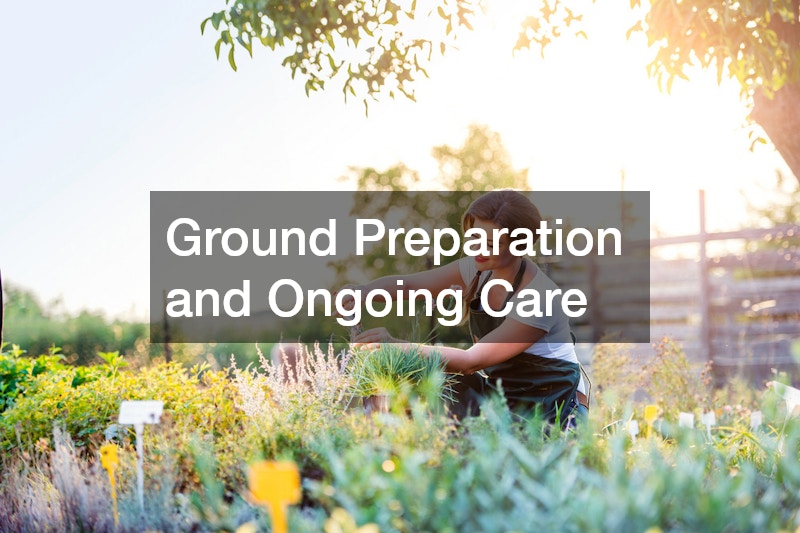
Every outdoor project depends on what lies beneath the surface. Healthy soil, proper grading, and well-maintained turf provide the canvas on which all other features are built. Without a stable base, even the most attractive designs can struggle to hold up over time. That is why preparation is just as important as the visible elements of a yard.
Regular upkeep plays a large role in maintaining this foundation. Reliable lawn mowing services help keep grass at an optimal height, preventing weeds from taking over and allowing roots to grow deeper and stronger. Well-managed turf not only looks better, but it also improves drainage and reduces erosion. When grass is neglected, compacted soil and bare patches can develop, making it harder for new plantings or structures to thrive.
Ground preparation also involves addressing any drainage or grading issues that could affect future features. If water consistently flows toward a patio area or collects near the foundation of the home, those problems should be corrected before hardscaping or planting begins. Adding soil, installing drainage channels, or reshaping the terrain can protect both the yard and the house from long-term damage.
This phase of work sets the stage for a durable backyard transformation. By investing time and resources into soil health and surface conditions, homeowners ensure that the improvements they add later will perform as intended. Grass grows thicker, plants establish more easily, and walkways remain stable. Over time, this strong base reduces maintenance costs and extends the life of every element in the yard, making the entire outdoor space more enjoyable and more resilient.
Shaping the Look and Feel of the Space
Once the groundwork is in place, attention can shift to the aesthetic and functional layout of the yard. This is where the space begins to take on a distinct personality, reflecting the homeowner’s style and how they plan to use the area. Pathways, garden beds, seating zones, and open lawn areas all come together to create a cohesive design that feels intentional rather than pieced together.
A thoughtful custom landscape design considers both beauty and practicality. Plants are selected not only for their color and texture but also for how they grow over time and how much maintenance they require. Trees may be placed to provide shade or frame a view, while shrubs and flowers add depth and visual interest. Hardscape features such as stone borders, patios, or decorative walls help define different areas of the yard and make the space easier to navigate.
Good design also accounts for how people move through the yard. Clear walkways prevent foot traffic from wearing down grass and make it easier to reach different areas without stepping through garden beds. Seating areas positioned near focal points, such as a fire pit or water feature, encourage people to linger and enjoy the surroundings. Lighting can extend the use of the yard into the evening while adding a layer of safety and ambiance.
Preparing for Seasonal Challenges
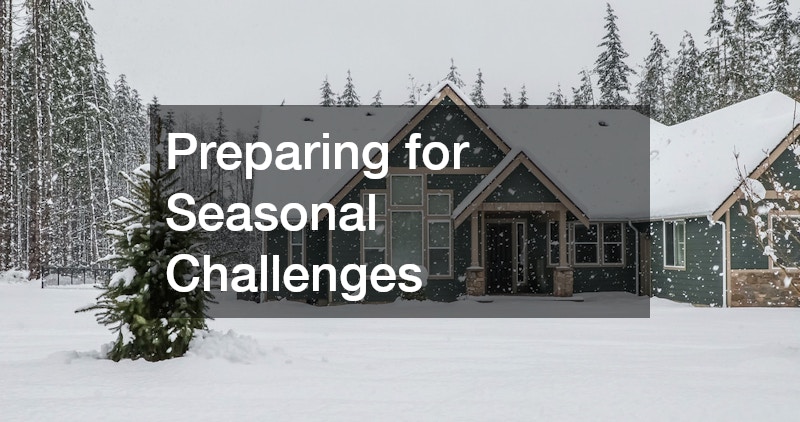
An outdoor space should be enjoyable year-round, not just during warm months. Seasonal planning helps protect the investment homeowners make in their yards and ensures that features remain safe and functional through changing weather. From heavy rains to freezing temperatures, each season presents challenges that need to be addressed.
In colder climates, professional snow removal is essential for keeping walkways, driveways, and patios accessible. Snow and ice can cause slips, damage surfaces, and stress plants if not handled properly. Clearing these areas promptly reduces wear on hardscapes and keeps outdoor features usable even during winter months. It also prevents moisture from seeping into cracks and expanding, which can lead to costly repairs in the spring.
Seasonal preparation also includes protecting plants and irrigation systems. Mulching garden beds before winter insulates roots, while shutting off and draining water lines prevents pipes from freezing. In the fall, leaves should be removed from lawns and drainage areas to avoid buildup that can smother grass or block water flow.
By planning for the full cycle of the year, homeowners ensure their backyard transformation remains intact and attractive no matter the season. This proactive approach minimizes damage, reduces maintenance costs, and allows the yard to recover quickly when warmer weather returns. Over time, this kind of care keeps the space looking fresh and ready for use whenever the opportunity arises.
Creating Boundaries and Privacy
Defining the edges of a property plays a major role in how a yard feels and functions. Fences, hedges, and natural borders provide privacy, enhance security, and help create a sense of enclosure that makes the space more comfortable to use. Without clear boundaries, even a beautifully designed yard can feel exposed or unfinished.
Working with local fence companies gives homeowners access to materials and styles that suit both their needs and the character of the neighborhood. Whether the goal is to keep pets safely contained, block unwanted views, or simply add a decorative element, the right fence can make a dramatic difference. Wood, vinyl, metal, and composite options each offer their own balance of durability, appearance, and maintenance requirements.
Beyond physical barriers, boundaries can also be created through landscaping. Rows of shrubs, ornamental grasses, or small trees soften the edges of a property while still providing separation. These natural elements blend seamlessly into the overall design and can be shaped over time to enhance privacy without making the space feel closed off.
Adding Water Features and Recreation
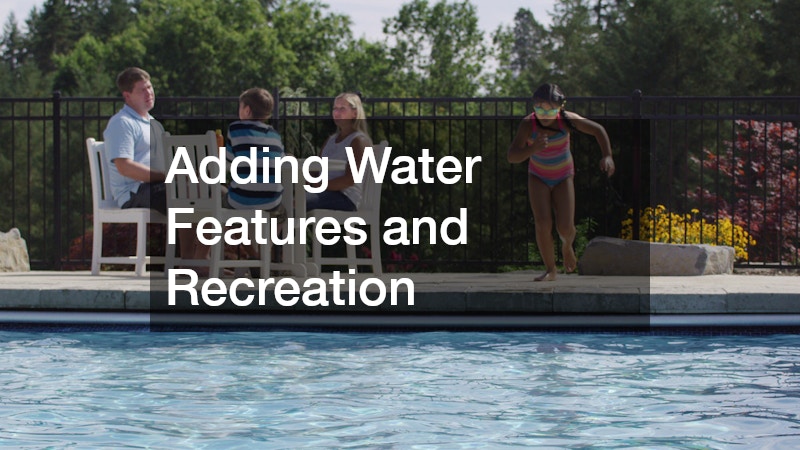
For many homeowners, a yard becomes truly special when it offers opportunities for recreation and relaxation. Water features, in particular, can turn an ordinary space into a personal retreat. Whether it is a simple splash area for children or a full-sized pool for exercise and entertaining, these additions bring energy and enjoyment to the outdoors.
Working with experienced pool builders ensures that a water feature is designed to fit the property and the homeowner’s lifestyle. Factors such as yard size, slope, and proximity to the house all influence the type of pool or water feature that will work best. Proper construction and placement also affect safety, drainage, and long-term maintenance.
Beyond swimming, water features can include fountains, small ponds, or cascading waterfalls that add soothing sound and visual interest. These elements create focal points and enhance the overall atmosphere of the yard. When paired with surrounding seating or landscaping, they encourage people to spend more time outdoors, even when they are not actively swimming.
Maintaining Comfort and Functionality
Once a yard includes recreational features, ongoing care becomes even more important. Clean, well-maintained spaces are safer, more inviting, and more enjoyable for everyone who uses them. Neglect can quickly turn an attractive area into one that feels unwelcoming or even hazardous.
Regular swimming pool maintenance keeps water clear, balanced, and safe for use. Proper filtration, chemical levels, and routine cleaning prevent algae growth and equipment damage. This not only protects the health of swimmers but also extends the life of the pool and surrounding surfaces. A well-maintained pool remains a pleasure to use rather than a constant source of stress. Comfort also comes from ensuring that all areas of the yard are easy to access and use. Furniture should be arranged for conversation and relaxation, while lighting makes evening gatherings more enjoyable. Walkways should remain level and free of debris, and storage areas help keep tools and toys out of sight.
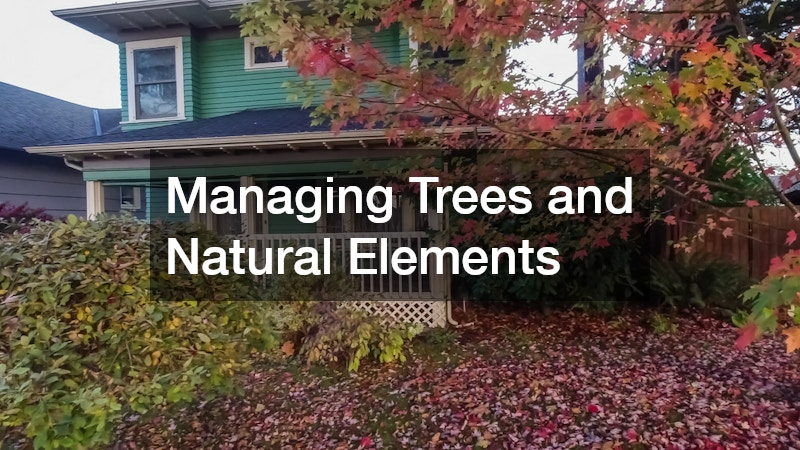
Managing Trees and Natural Elements
Trees are among the most powerful features in any yard. They provide shade, define space, and add a sense of permanence that few other elements can match. At the same time, they require care and attention to remain healthy and safe.
Professional tree services help with pruning, disease management, and structural assessments that keep trees in good condition. Regular trimming prevents branches from interfering with roofs, power lines, or walkways, while also encouraging healthy growth. Removing dead or damaged limbs reduces the risk of falling debris during storms.
In some cases, a property may need local tree removals to make room for new features or to eliminate trees that pose a hazard. While removal can feel like a major step, it is sometimes necessary to protect the home and open up space for better landscaping. When done carefully, it allows for new plantings and design opportunities that enhance the overall look of the yard.
Protecting the Outdoor Environment
A healthy yard supports not only people but also the surrounding ecosystem. Insects, birds, and beneficial pollinators all play a role in keeping plants thriving. However, some species can become problematic, especially when they threaten safety or damage structures.
Working with local bee exterminators is sometimes necessary when hives appear in areas where people frequently gather. While bees are important to the environment, nests in walls, sheds, or near play areas can pose a risk. Professionals can address these situations in a way that protects both the residents and the broader ecosystem. Protecting the outdoor environment also means using responsible landscaping practices. Choosing native plants, minimizing chemical use, and providing habitats for beneficial wildlife all contribute to a healthier yard. These practices reduce the need for constant intervention and help the space remain vibrant over time.
A successful backyard transformation is not defined by a single feature but by how well every part works together. Thoughtful planning, strong foundations, beautiful design, seasonal care, clear boundaries, recreational features, diligent maintenance, and environmental awareness all play a role. When each of these components is addressed with care, the outdoor space becomes an extension of the home, offering comfort, beauty, and lasting value for years to come.